Grounding · 13 Nov 2026 · 15 min read
Organic Grounding Blanket in Australia? Why There Isn't One Here and What Earthing Sleepers Use Instead
Organic Earthing doesn't sell a grounding blanket. Here's how to ground over the bed with a flat sheet or on the couch with a mat, and what to check first.
By Jade Castle, founder. Wellness product, not a medical device.
Part ofThe sleep guide
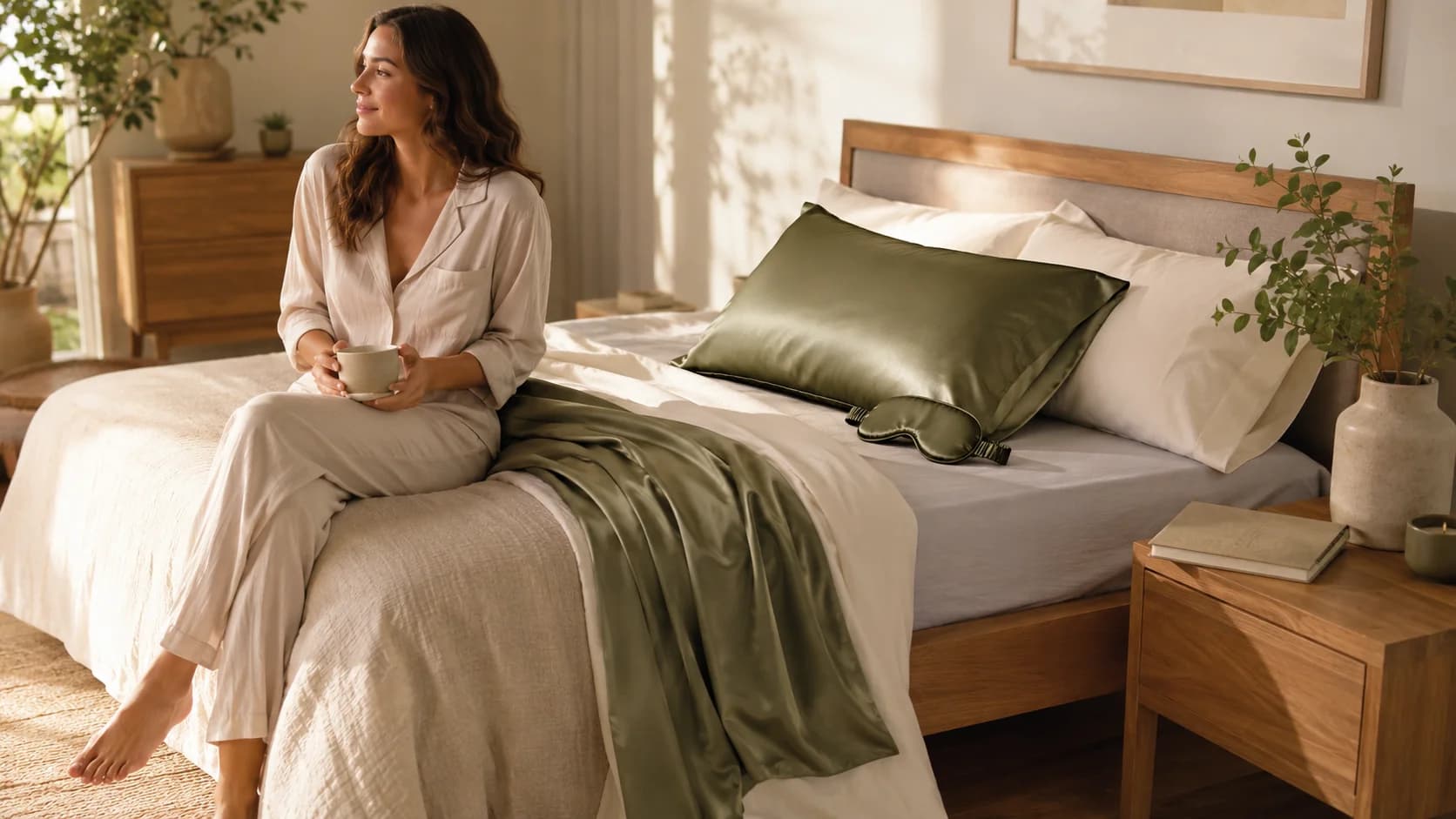
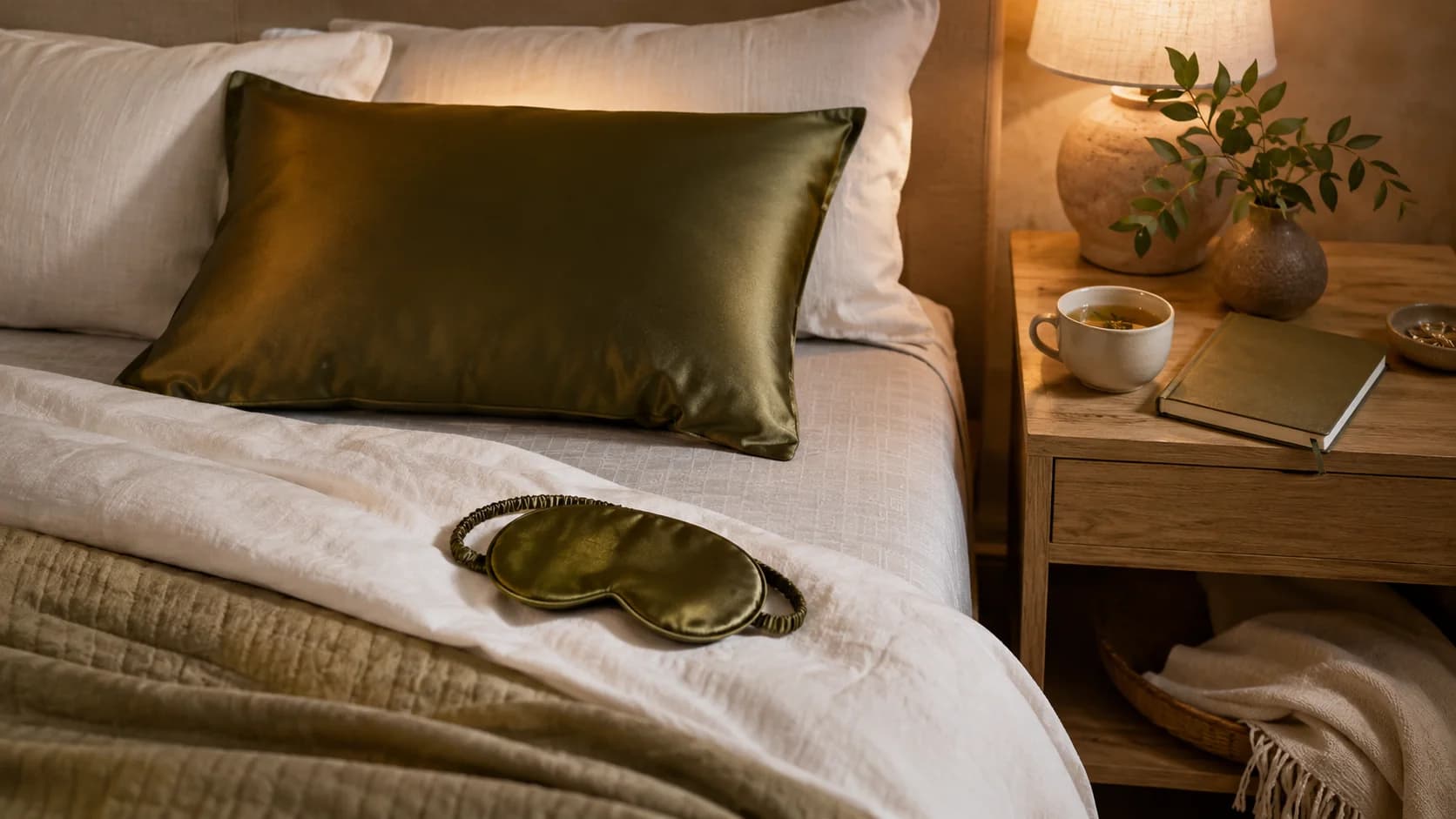
Organic Earthing does not sell a grounding (earthing) blanket. What most people want from one is covered by two products: a flat grounding sheet laid over you under a light doona, and a grounding mat for the couch. Both connect you to the earth pin of a wall socket through a cord.
I started Organic Earthing before I had heard of grounding. I was already choosing natural fabrics for what touched my skin, and grounding came later. So when someone searches for an organic grounding blanket in Australia, I understand the instinct. You want something soft, natural and easy to live with, and 'blanket' is the word you have for it.
This guide covers what a blanket is usually wanted for, how a flat sheet and a mat do those jobs, and what to check before you buy any grounding product, ours included. Grounding is a wellness product, not a medical device. I will describe what people report and what the products are made of, and keep those two things apart.
Key Takeaways
- We do not make a grounding blanket. A blanket is a format, and the textile and the connection to earth matter more.
- For grounding on top of the bed, a flat grounding sheet goes over you, under a light doona, with bare skin touching it.
- For the couch, a grounding mat sits under your feet, your legs or a throw, with the cord routed safely to the wall socket.
- Judge any product on what you are touching: the fibre, what makes it conductive, and what the certificates actually cover.
- Test it before you believe it. Every grounding box includes a tester pen, and the trial runs 90 nights from delivery.
Summary Table
| The job you want done | What covers it | How it connects | Who it suits |
|---|---|---|---|
| Grounding on top of the bed, light over you | Flat grounding sheet under a light doona | Cord to the earth pin of a wall socket | Hot sleepers, anyone who dislikes a heavy throw |
| Grounding underneath you | Fitted grounding sheet | Cord to the earth pin of a wall socket | Sleepers who want no change to how the bed is made |
| Grounding on the couch | Grounding mat under feet, legs or a throw | Cord to the earth pin of a wall socket | Evening sitters, desk and screen time at home |
| Checking it is working | Tester pen in every box | Used when first set up and again over time | Anyone sceptical, which I encourage |
Is there an organic grounding blanket in Australia?
No. Organic Earthing does not make a grounding blanket, and we won't pretend otherwise. A blanket is a format, not a standard. What matters more is the textile against your skin and how it connects to earth. We cover a blanket's two jobs with a flat sheet and a mat.
People who search for an earthing blanket in Australia, or a grounding blanket in Australia, usually want one of two things. The first is grounding on top of the body: a light layer over you in bed rather than something underneath. The second is grounding while sitting on the couch in the evening. Neither needs a blanket.
A blanket's job is warmth and weight. Grounding needs skin contact with a conductive textile and a reliable path to earth. A thick blanket is the wrong shape for that, especially if you already kick the doona off through an Australian summer.
There is also a reason I keep the word 'organic' for what I can stand behind. Most of the conversation in this category is about whether grounding works. Almost nobody talks about the textile you are sleeping on for eight hours a night. That is what touches your skin every night, so it is where I start.
I keep two kinds of claim apart, and you should too:
- What the fabric is and what it has been tested for. Organic bamboo woven with 10% silver thread, with named standards and certificate numbers you can check.
- What grounding does for sleep. This is an open question. The small published studies have limited sample sizes and have not settled it.
The first kind I can document. The second I will not promise. If a product page blurs the two into one sentence, take that as a flag.
How do you ground on top of the bed with a flat sheet?
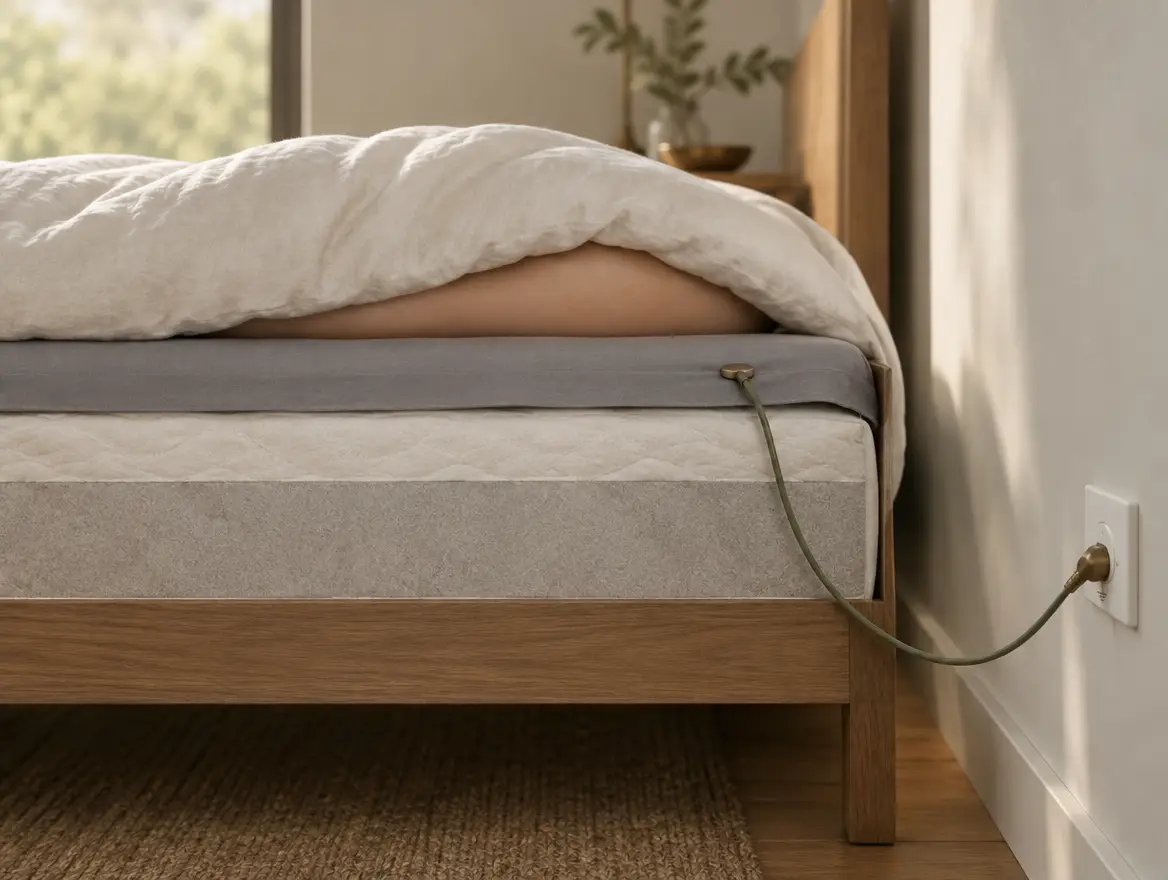
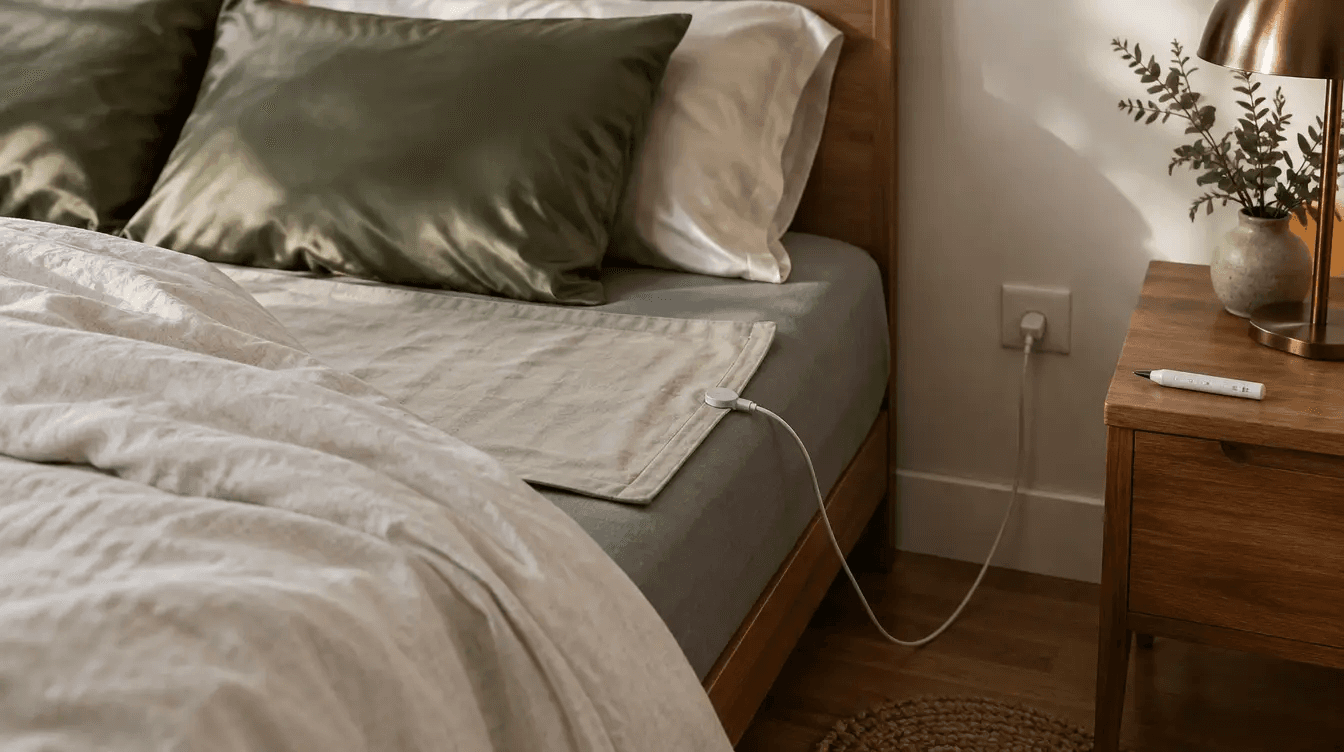
Lay the flat grounding sheet over you rather than under you, with a light doona on top. Bare skin needs to touch it. Run the cord to the earth pin of a wall socket, and check the connection with the tester pen in the box before your first night.
A flat grounding sheet on top of the bed suits people who want grounding without changing their mattress setup. It also suits the 50+ hot sleeper who wants something light over them instead of a heavy throw. Our flat sheet is an organic bamboo grounding sheet, so you get the softness and breathability of bamboo with a conductive thread woven through it.
Setting it up step by step
- Choose your socket. Pick a wall socket near the bed. The cord connects to the earth pin only. No power flows through the sheet, and only the grounding connection is used. If you are unsure a socket is properly earthed, ask a licensed electrician to check it.
- Lay the sheet over you. Put it between your body and the doona, with bare skin touching the fabric. Clothing between you and the sheet gets in the way of contact.
- Route the cord. Run it along the side of the bed or behind the bedside table, away from where you step getting in and out.
- Test with the pen. Follow the instructions in the box. The pen gives you a way to see conductivity yourself instead of taking our word for it.
- Test again over time. Check when you first set it up and again every so often. I won't tell you to test after every wash, and I won't give you a durability guarantee. The pen is there so you can decide.
On warm nights, some people use the sheet with a lighter doona, or a lighter layer again. That flexibility is the reason I like flat for the way Australians sleep.
What to expect in the first 30 nights
Some people notice something in the first week. Many notice nothing until the third. Both are normal, which is why the trial runs 90 days. I won't give you a timeline of results, because I don't have one to give. Sleep on it for 90 nights, decide later.
How do you use a grounding mat on the couch?
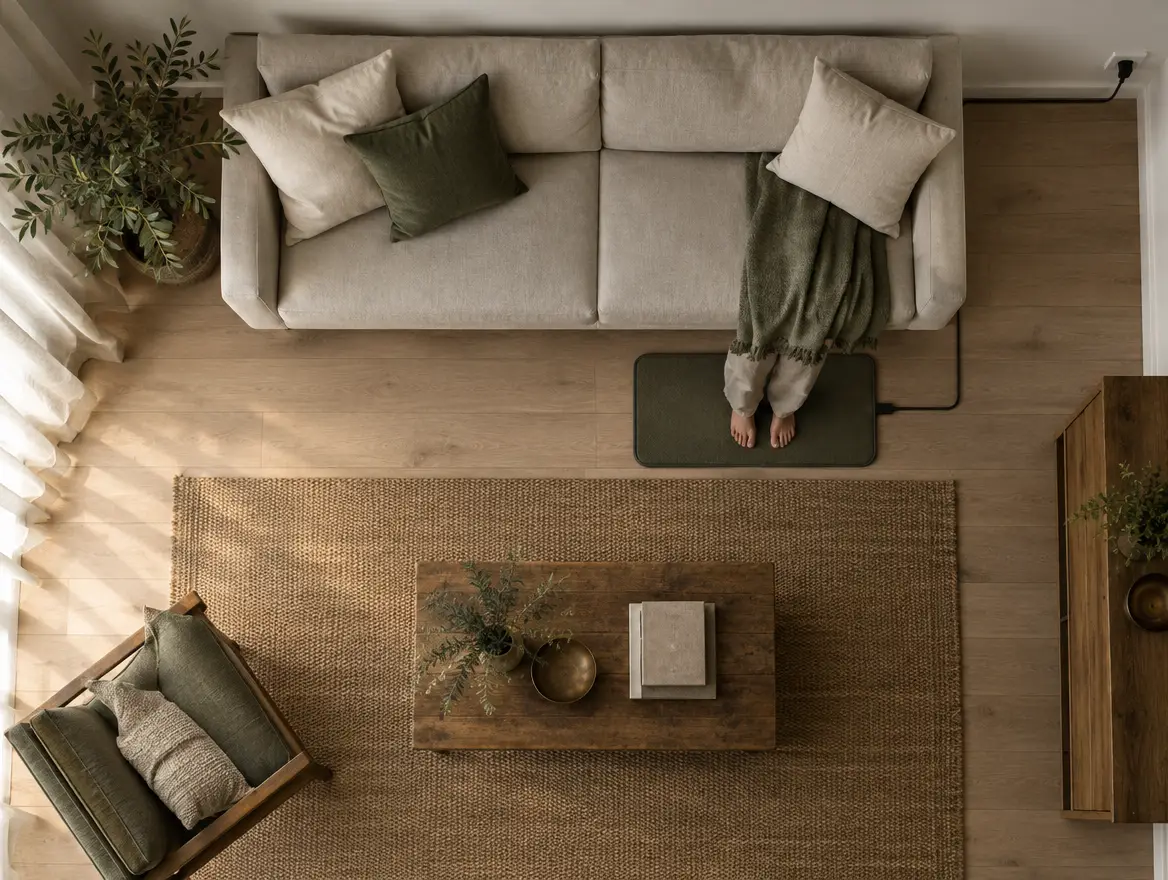
Place the grounding mat where your bare skin touches it: under your feet, under your legs, or beneath a throw you have across your lap. Run the cord to the earth pin of a wall socket, keep it out of walkways, and test with the pen.
The grounding mat is the answer to a grounding mat for the couch. It is for the hours you spend sitting rather than sleeping. Reading, watching something, working from home on a laptop.
Cord routing that works in a real living room
- Start from the socket. Decide where the couch sits relative to the nearest wall socket before you place the mat. Don't stretch the cord to make it reach.
- Run it along the skirting board. Keep it against the wall, not across the floor where people walk.
- Keep it out of pinch points. Don't trap it under couch legs, in a door, or under a rug edge where it can be crushed.
- Keep skin on the mat. Bare feet or bare legs on the mat. A throw over your lap is fine, as long as part of you is touching the mat.
- Pets and children. Route the cord where it can't be chewed or tugged. Do that before you sit down, not after.
As with the sheet, the connection is to the earth pin of the socket, and no power flows. Test it with the pen when you first set it up and again over time. Every grounding box includes one.
What should you judge an organic grounding product on?
Judge it on what you are touching for eight hours a night: the fibre, what makes it conductive, and what the documents actually cover. Ours is organic bamboo woven with 10% silver thread, OEKO-TEX Standard 100 certified, with RoHS testing on the grounding bedding. Question every certificate, including ours.
Bamboo on its own is not conductive enough to ground a body. I did not want a grounding sheet people put up with just because it grounds. So fine silver fibres are woven through the bamboo, not coated on top. The silver has a job to do: conduct. The bamboo keeps its softness, breathability and moisture handling, which matters to hot sleepers. Neither material is there because it sounds good in marketing.
The silver figure is our own product specification. The percentages I see stated elsewhere are 5% or less, against our 10%. A number on a spec sheet is not proof, though, which is why the tester pen exists.
Five questions to ask any grounding brand
Ask these of us too. Here are our answers:
- What is the sheet made from? Organic bamboo woven with fine silver fibres, 10% silver thread.
- What makes it conductive? The silver. It is woven through the fabric, not coated on the surface.
- Can you test it yourself? Yes. There is a tester pen in every box.
- How does it connect to ground? By a cord to the earth pin of a wall socket. No power flows.
- What testing or documentation exists? See below.
What the certificates are, and what they are not
- OEKO-TEX Standard 100, certificate SH025 231655. This covers harmful substances in the textiles. Our manufacturing partner's certification is Product Class I. The number is on our product pages.
- RoHS compliance, certificate CHHB26080392392. This is separate testing for restricted substances on the grounding sheets. RoHS was written for electrical and electronic equipment, and I use it because the sheets carry a conductive element and a cord.
- GOTS scope certificate, USB TEX-4007-GOTS-2509. This applies to our mulberry silk, not to the bamboo. It is a scope certificate, not a transaction certificate. That is why you will not see me attach the word certified to the word organic. 'Certified' goes with a named standard and a number.
Now the sceptic's step. For any badge, ask: certified to what standard, and what does it cover? Then check the number with the body that issued it. OEKO-TEX, for example, has an online label check. And note what the documents do not say. OEKO-TEX is about harmful substances. RoHS is about restricted substances. Neither says anything about whether grounding improves your sleep. For the wider buying checklist, read how to choose an organic grounding sheet.
Fitted or flat: which grounding sheet suits Australian homes?
For most Australian homes, flat is the more flexible choice. It layers under a light doona, suits a climate where the same bed runs warm and cool across the year, and works for sleepers who want something light on top. Fitted suits those who want grounding underneath and no change to how they make the bed.
Here is the trade-off, in plain terms.
- Flat. You lay it over you, so you control how much skin touches it. It moves with the seasons: on its own on a warm night, under a light doona when it cools. The downside is that it can shift if you are a restless sleeper, so tuck it in or keep the doona over it.
- Fitted. It stays put and the bed looks the way it always did. The skin contact comes from lying on it, and you can't easily adjust it through the night or the season.
If you run hot, or you live somewhere with real swings between summer and winter, I would start with flat. Our journal has a full fitted or flat grounding sheet article if you want to compare in detail. If your need is simply a couch, skip the sheet and go straight to the mat.
Why I'd rather you question our badges than trust them
I don't want customers to trust us because we've written 'premium' on a website. I want there to be something behind it. That is the position I hold, and it is not the common one in this category.
When I built Organic Earthing, I wanted to know what was in the products I was selling, with independent testing behind it, especially for harmful or restricted substances. At the time the category was arguing only about whether grounding worked. I chose OEKO-TEX Standard 100 and separate RoHS testing on the grounding bedding, and I accepted higher cost and a more complicated supply chain to get it. The outcome is simple: we can publish certificate numbers instead of adjectives.
My view runs against how most of this category talks.
- Most say a grounding product is judged on whether grounding works. I say judge it first on the textile. You can't settle the grounding question from a website, but you can check what the fabric is made of and what it has been tested for.
- Most say words like organic, certified and tested can be taken at face value. I say question every one, ours included. A badge can look impressive with very little behind it. More customers questioning brands would be good for the whole category.
- Most premium sleep products lead with a price hook. We don't. A grounding sheet at $419 is a decision made online by people who can't feel the fabric or know how they will sleep on it. A price shout doesn't answer that. Proof does.
So the offer is this. Certificate numbers on every product page. A tester pen in every grounding box. A 90-night trial from delivery, and a 1-year warranty. Test it before you believe it. Returns need to be in reasonable condition, and return postage is on you. Those terms sit alongside your rights under the Australian Consumer Law, which they don't replace. The ACCC explains those guarantees. Questions about returns come straight to me.
We're an Australian-owned, family-run brand selling globally, at the premium, transparent end of grounding. If you want to try it, choose the flat sheet for over-the-bed earthing or the mat for the couch. Test it with the pen in the box, and use the 90-night trial if it doesn't suit.
References
- OEKO-TEX, STANDARD 100 by OEKO-TEX
- European Union, Directive 2011/65/EU on the restriction of the use of certain hazardous substances in electrical and electronic equipment (RoHS)
- Global Organic Textile Standard (GOTS), The Standard
- ACCC, Consumer rights and guarantees
Take this with you
Your first 30 nights, in your inbox.
What people usually notice in the first month on a grounding sheet, week by week, and why you get 90 days rather than 14.
Questions people ask
Is there an organic grounding blanket in Australia?
Organic Earthing does not sell one. We cover a blanket's two common jobs with a flat grounding sheet for over the bed and a grounding mat for the couch. The sheet is organic bamboo woven with 10% silver thread.
Can I use a grounding sheet on top of me instead of underneath?
Yes. A flat grounding sheet is designed to be laid over you under a light doona, with bare skin touching it and the cord connected to the earth pin of a wall socket. Check the connection with the tester pen in the box.
What is a grounding mat for the couch used for?
It is for grounding while you are sitting rather than sleeping. You place it under your feet, your legs or a throw, with skin touching the mat, and run the cord to a wall socket's earth pin without crossing walkways.
How do I know my grounding sheet is conducting?
Use the tester pen supplied in every box. Check when you first set it up and again over time. The pen shows conductivity so you can see it for yourself. It is not a durability guarantee.
Is grounding a medical therapy?
No. Grounding products are a wellness product, not a medical device. Some people report sleeping differently, but the small published studies have limited sample sizes and have not settled the question. Speak to your doctor about any health concern.
What if a grounding sheet or mat doesn't suit me?
Every grounding product has a 90-night trial from delivery and a 1-year warranty. Returns need to be in reasonable condition, with return postage paid by the customer. Your Australian Consumer Law rights still apply.