Grounding · 18 Nov 2026 · 17 min read
Grounding Sheet Reviews: How to Read Them, and Where to Read Ours
A sceptic's guide to grounding sheet reviews: the four checks that make a review useful, straight answers to common complaints, and where to read ours.
By Jade Castle, founder. Wellness product, not a medical device.
Part ofThe grounding sheet guide
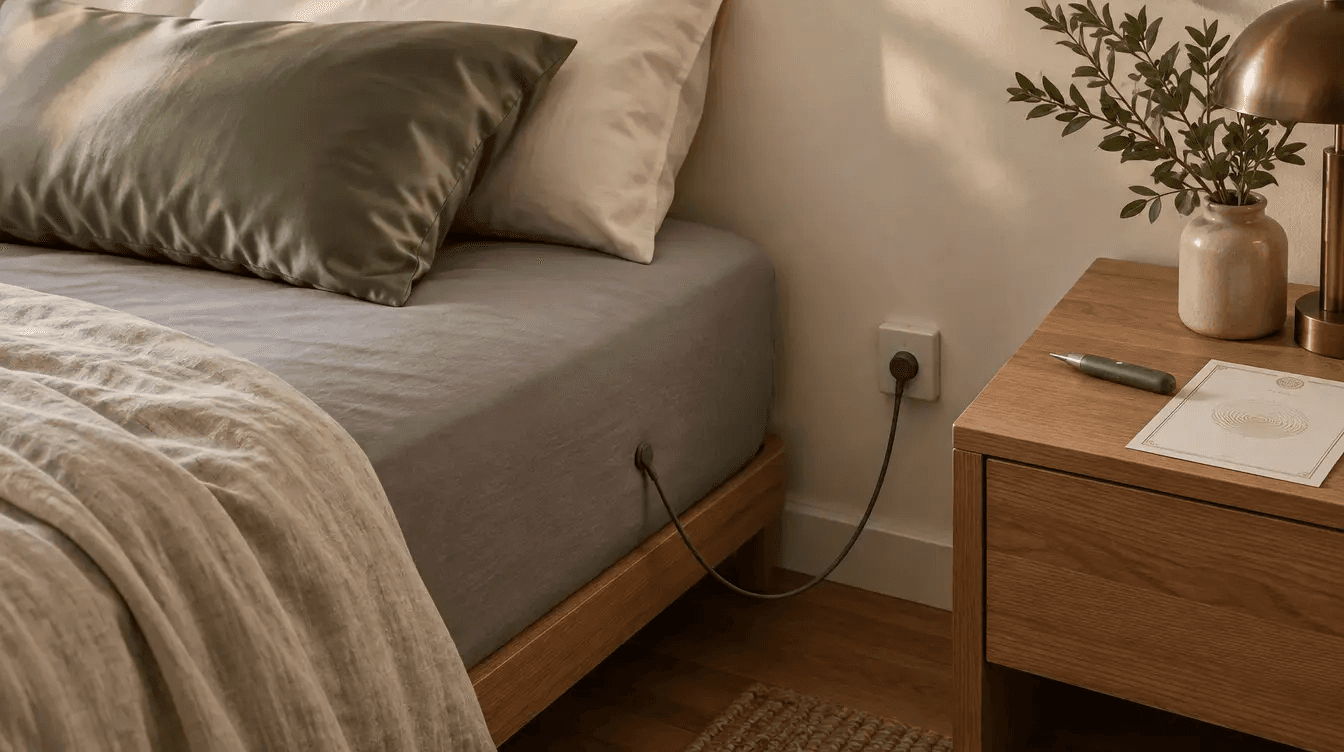
A useful grounding sheet review names the product, says how long it was used, discloses whether it was bought or gifted, and confirms the connection was checked with a tester pen. Reviews can tell you about fabric, cords and service. They cannot tell you what a grounding sheet will do for your body.
I'm Jade Castle, founder of Organic Earthing, and I'll say something unusual for a brand: don't take any grounding sheet review at face value, including the ones on our site. I started Organic Earthing before I had heard of grounding. I cared about what touched my skin first, so I was choosing natural fabrics where I could. Grounding came second. When I went looking for a brand that combined it with good materials, I found products that were clinical, generic or led with price.
This guide is for the reader who checks the reviews and the returns policy before buying. It covers how to read a review, a straight answer to the four most common complaints about grounding sheets across the category, and why I judge the textile before the testimonial. It names no other brands. Organic Earthing is a wellness product, not a medical device, so I describe what people report, never what grounding does to the body.
Key Takeaways
- A review is good evidence for fabric feel, fit, cords and service. It is weak evidence for what grounding does for you.
- Run four checks on every review: product named, length of use, bought or gifted, connection tested.
- A 'felt nothing' review is uninformative if nobody checked the sheet was actually connected.
- Most complaints (fabric, cords, washing, noticing nothing) have practical answers that start with the product and the setup.
- Judge the textile first. Ask: certified to what standard, and what does it cover?
- Question every claim, ours included. Check the certificate numbers yourself, then use the trial.
Summary Table
| Check | What it tells you | What it cannot tell you |
|---|---|---|
| Product named | Which fabric, fit and connection method the reviewer used | Anything useful, if the review only says 'a grounding sheet' |
| Length of use | Whether the reviewer gave it a fair run | Whether your experience will match theirs |
| Bought or gifted | How much weight to give the opinion | Whether the opinion is wrong (gifted reviews can still be honest) |
| Connection checked | Whether the sheet was actually grounded during the test | How the sheet will perform on your bed over time |
| Certificate number | What the textile was tested for, under a named standard | Anything about sleep or health outcomes |
What a grounding sheet review can and cannot tell you
A review can tell you what a sheet feels like, how the cords sit, how it washed and how the company handled a problem. It cannot tell you what grounding will do for your body. That is a separate, open question, and one person's night of sleep is not evidence either way.
You will see these products called grounding sheets or earthing sheets. It is the same category, and the same rule applies to reviews of both.
I keep two kinds of claim apart, and I'd encourage you to do the same when you read. The first kind is about the product: what the fabric is made of, and what it has been tested for. A reviewer can confirm a lot of that from their own bed. The second kind is about grounding itself and what it does for sleep. The published studies are small, and their limits are real. The 2012 review by Chevalier and colleagues in the Journal of Environmental and Public Health is the paper brands in this category cite most often. Read it for yourself, and read its limits as carefully as its conclusions.
That is why I regard what grounding does for sleep as an open question. A five-star review that says 'I sleep better' is a report of one person's experience. It is sincere, and it is not proof. A one-star review that says 'did nothing' is the same kind of report, and it carries the same limits.
Are grounding sheet reviews reliable?
Grounding sheet reviews are reliable for some things and unreliable for others. They are good evidence for fabric feel, fit and service. They are weak evidence for sleep outcomes, because sleep varies night to night, expectations colour what people report, and many reviews never say whether the sheet was properly connected.
A few habits make you a better reader of any review page:
- Read the middle ratings first. Three and four-star reviews tend to contain specifics, like cord length, fabric weight and what the reviewer would change.
- Look for patterns, not single voices. If several reviewers mention the same cord problem or the same fabric detail, that is information. One dramatic review is a story.
- Notice what is missing. If a page has glowing reviews and no mention of how the sheet connects or how to test it, ask why.
- Separate product reviews from brand reviews. 'Great service' and 'great sheet' are different claims.
In Australia, the Australian Consumer Law prohibits misleading or deceptive conduct, and the ACCC is the regulator that enforces it. That covers reviews presented to buyers. It is a backstop, not a reading strategy. The reading strategy is below.
How to read a grounding sheet review: four checks

Check four things in any review: whether the product is named, how long it was used, whether it was bought or gifted, and whether the reviewer tested the connection with a tester pen. A review that fails all four is an opinion about something unspecified. It may be sincere, but it is not information.
If you want the wider list of what to ask a brand before buying, I've covered it separately in how to choose a grounding sheet: questions to ask. I won't repeat it here. This section is about the reviews themselves.
1. Is the product named?
A review of 'a grounding sheet' is a review of a category, not a product. Fabric, conductive material, how much of it is in the weave and how the sheet connects all vary between products. A reviewer who loved a cotton sheet has told you nothing about a bamboo one, and the reverse is also true.
Watch for grounding mat reviews too. A mat (ours is the 60 x 40 cm grounding mat) is a different product from a sheet, used in a different way, usually at a desk or under the feet. A mat review is not a sheet review, even when both appear on the same page.
2. How long was it used?
A review written after two nights tells you about first impressions of the fabric. It cannot say much about anything else. I use a simple frame for expectations, which I call the first 30 nights. Some people notice something in the first week. Many notice nothing until the third. Both are normal.
That is why a one-week review, positive or negative, carries limited weight. It is also why our trial runs 90 nights, not seven.
3. Was it bought or gifted?
A reviewer who paid full price has different incentives from one who received the sheet free, was paid or rewarded for posting, or earns a commission on purchases. None of this makes a review wrong. It changes how you weigh it, and an honest reviewer will tell you. If a review does not say, regard that as missing information.
4. Did the reviewer check the connection?
This is the check most readers skip, and it matters most for 'felt nothing' reviews.
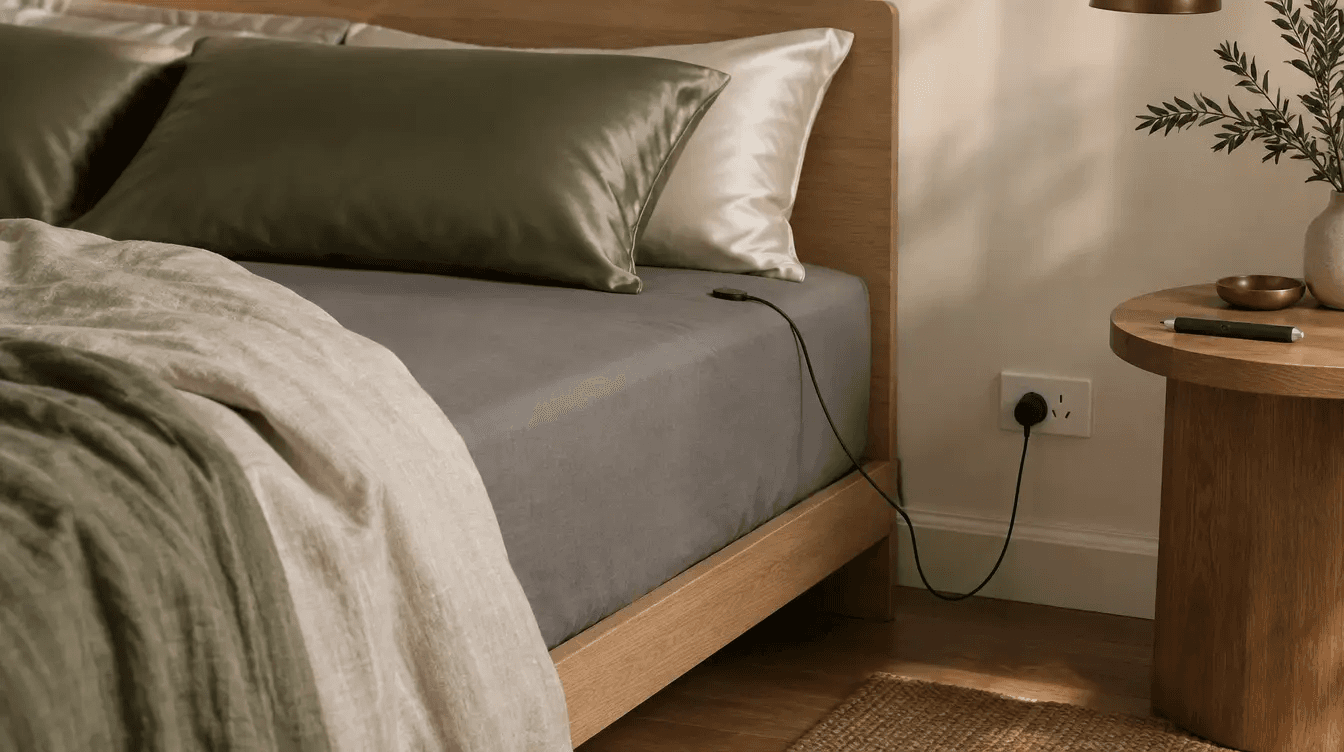
A grounding sheet only works as a grounding sheet if it is connected. The sheet links by a cord to the earth pin of a wall socket. If the cord is loose, the plug is not fully in, or the socket is not wired correctly, there is no grounding connection. A reviewer who reports 'nothing' under those conditions has told you about an unconnected sheet. It is like reviewing a lamp that was never plugged in.
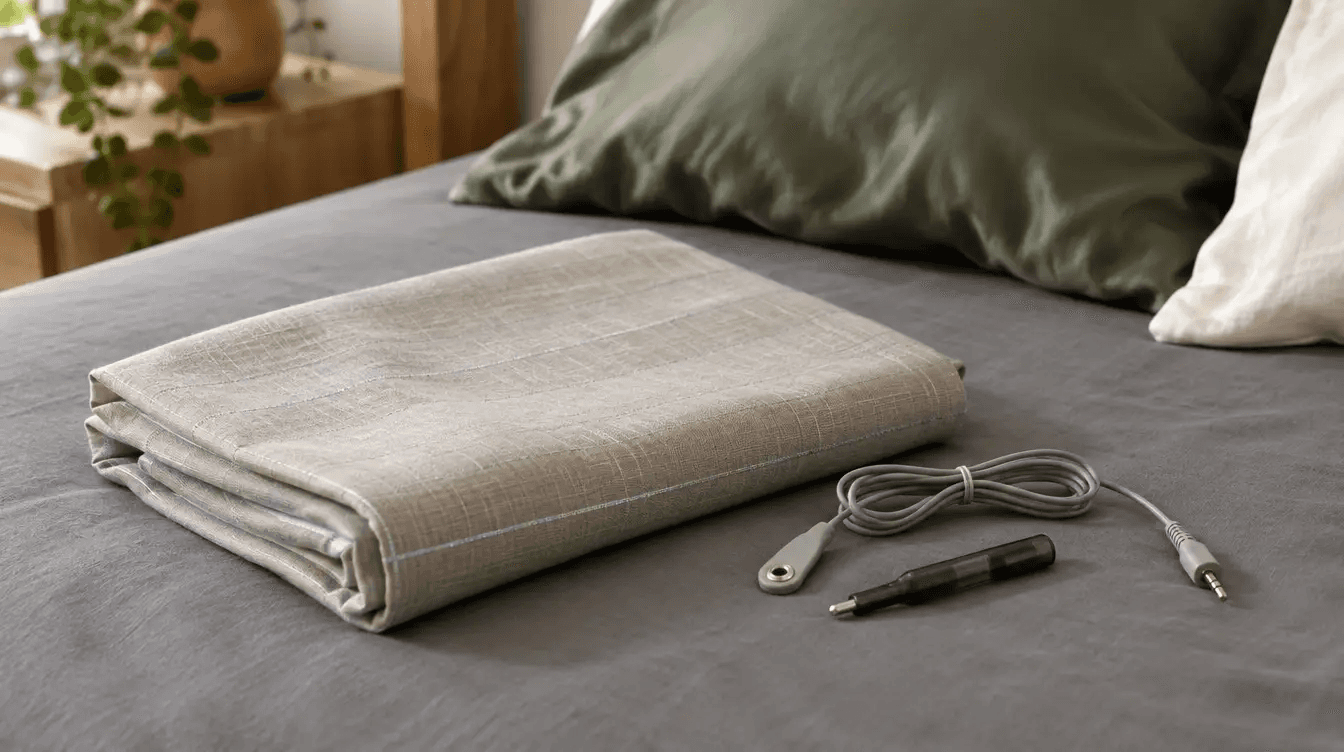
That is why every Organic Earthing grounding box includes a tester pen. It lets you check the connection yourself, with no trust required. A reviewer who says 'I checked it with the pen and it showed a connection, and I still noticed nothing' has given you real information. A reviewer who says 'I felt nothing' and does not mention a check has not. If you are unsure about your socket, a licensed electrician can confirm the wiring.
Common grounding sheet complaints, with straight answers
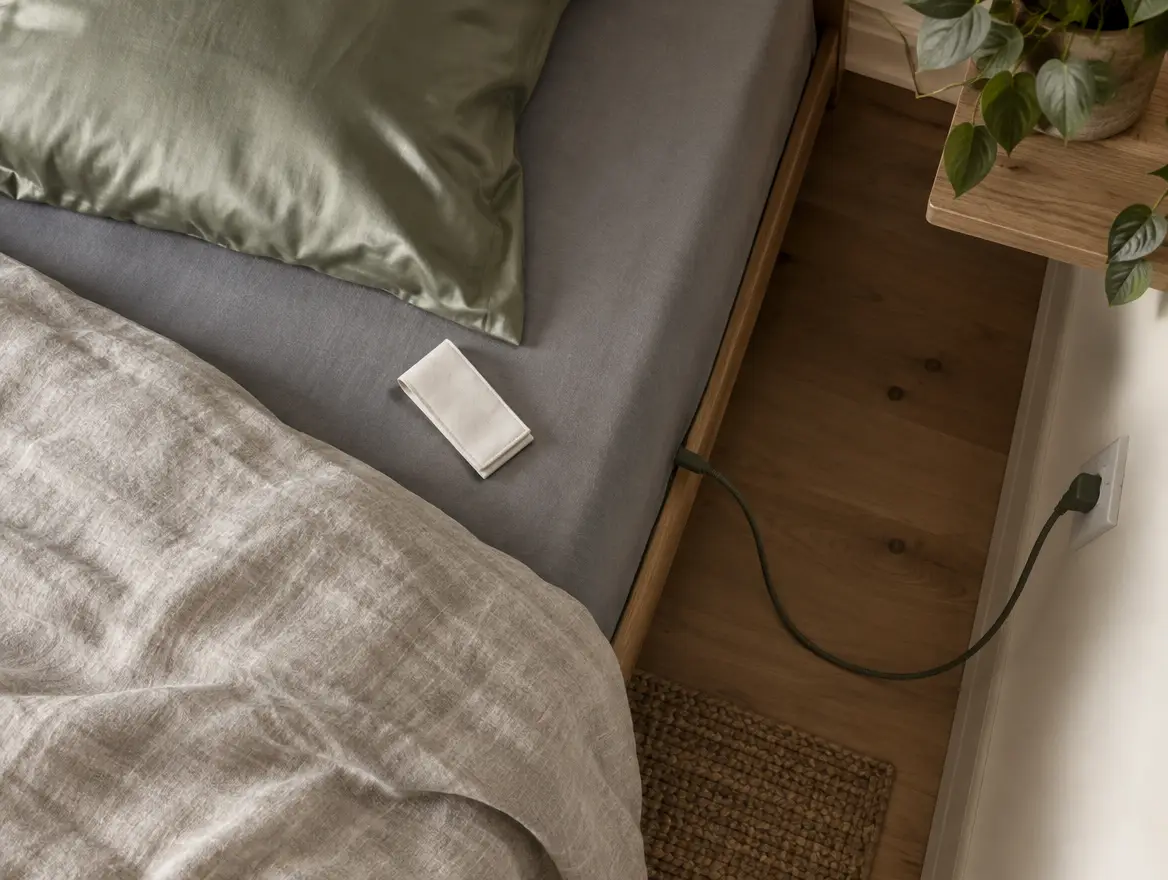
Most grounding sheet complaints fall into four groups: fabric feel, cords, washing and noticing nothing. Each has a practical answer, and three of the four are about the product or the setup, not the idea of grounding. Here is what I say to each, across the category and not only about our sheets.
'The fabric feels scratchy, stiff or synthetic'
This one is fair, and it comes down to material choice. A sheet needs a conductive fibre to work, so the real question is what that fibre is woven into. A fabric that grounds but feels like a compromise is one people end up putting up with, and I did not want to make that.
Bamboo on its own is not conductive enough to ground a body. So fine silver fibres are woven through our organic bamboo as 10% silver thread, not coated on top. The sheet keeps the softness, breathability and moisture handling of bamboo. The silver has a job to do: conduct. Neither material is there because it sounds good in marketing. For comparison, in the specifications other brands publish, silver content is stated at 5% or less. Most of the category also uses cotton, which is a perfectly good fabric but a different feel from bamboo.
If you are a hot sleeper weighing grounding against silk for cooler nights, consider them as separate decisions. A grounding sheet is bedding that connects to a socket. Mulberry silk sleepwear is what you wear. Plenty of people choose one, some choose both, and neither replaces the other. We also publish a separate piece on silver content, which is the place to go if the conductive material is your main question.
'The cord is in the way'
The cord is a real feature of the design, so plan for it. A cord connects the sheet to the earth pin of a wall socket. No power flows through it. Only the grounding connection is used.
Before you buy any grounding sheet, look at where your nearest socket sits relative to the bed. Check the stated cord length against that distance. Think about which side of the bed it will run along, and keep it clear of walkways. Our 'Grounding Sheet Not Working?' troubleshooting article covers cord and socket placement in more detail.
'It didn't wash well'
Follow the care label. That is the straight answer, and it applies to every product in the category. Washing instructions exist because the fabric and the woven silver both have limits, and the label reflects what the manufacturer has tested.
I would also be wary of any page that promises how a sheet will perform after a set number of washes. We don't make a durability guarantee. What we say is simpler: check the conductivity with the tester pen when you first set the sheet up, and again over time. Not on a schedule tied to washing, just now and then.
'I noticed nothing'
Experiences vary, and I won't tell you otherwise. Some people notice something early, some take weeks, and some notice nothing at all. I can't promise a timeline of results, and nobody honest can.
What I can tell you is the order of operations. Check the connection first, because an unconnected sheet explains a 'nothing' result better than any theory. Then use the trial period to decide. It is why we say: sleep on it for 90 nights, decide later. If you sleep well on it and like the fabric, great. If you don't, the trial exists so you are not stuck.
Judge the textile, not the testimonial
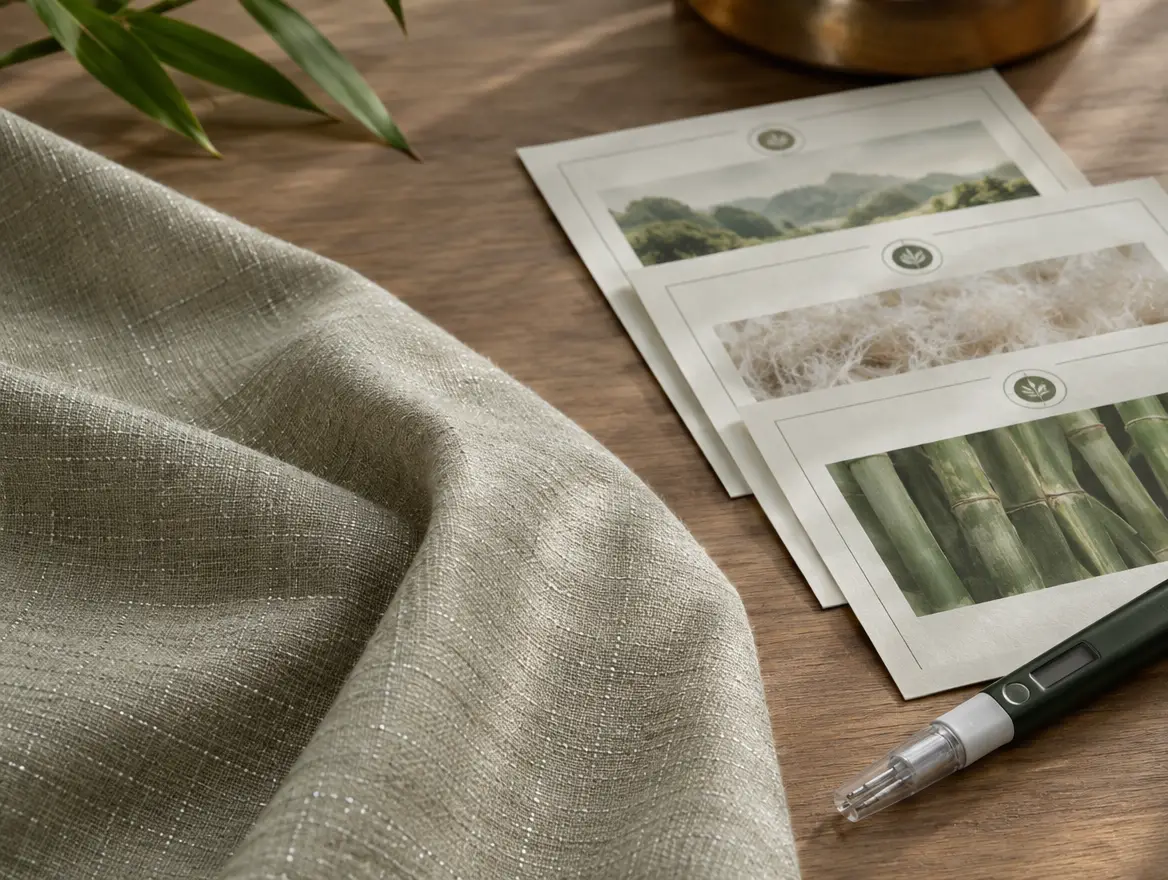
Judge the textile first, because it is the part you can verify. Ask what it is certified to, which certificate number applies, and what that certificate covers. A badge with no standard and no number tells you very little about what touches your skin every night.
Everyone argues about whether grounding works. Almost nobody talks about the fabric you are lying on for eight hours. I think that is backwards, so here is how I separate the claims on our own products.
What the fabric is. Organic bamboo with 10% silver thread in the grounding sheets. 22 momme mulberry silk in the sleepwear.
What it has been tested for. Three documents sit behind that:
- OEKO-TEX Standard 100, certificate SH025 231655. This is a testing standard for harmful substances in textiles. Our manufacturing partner is certified at Product Class I, the strictest class. It covers the textile. It does not say anything about grounding, sleep or comfort, and it is not an organic claim. OEKO-TEX runs an online label check on its website where you can look up a certificate for yourself.
- RoHS compliance certificate CHHB26080392392, on the grounding sheets. RoHS concerns restricted hazardous substances, and it began as European legislation for electrical and electronic equipment (Directive 2011/65/EU). We use RoHS compliance testing on the grounding bedding because the silver conductive element makes it more than plain fabric. Again, it speaks to restricted substances, not to what grounding does.
- GOTS scope certificate USB TEX-4007-GOTS-2609, on the mulberry silk. This is a scope certificate, not a transaction certificate. The word 'certified' attaches to a named standard and a number, and I won't pair it with 'organic' on a product until the GOTS transaction certificates arrive.
What grounding does for sleep. This is the third kind of claim, and it is the one the certificates say nothing about. It is an open question. The small studies have not settled it.
I chose this setup knowing it was harder. Independent testing for harmful or restricted substances meant higher cost and a more complicated supply chain. I wanted to know what was in the products I was selling, at a time when the category talked only about whether grounding worked. The result is that we can publish certificate numbers instead of adjectives. I don't want customers to trust us because we've written 'premium' on a website. I want there to be something behind it.
So when you read any review that praises or criticises the fabric, test it against the paperwork. Does the brand publish certificate numbers? Can you look them up? Does the certificate cover the product you are buying, or only a component, or a factory?
Where to read Organic Earthing reviews
Our reviews sit on the product pages, next to the specifications and certificate numbers they refer to. For the fitted sheet, that is the certified fitted grounding sheet page. I have not quoted any reviews here. A review should be read where it was written, in full, with the product named.
Apply the four checks to ours, exactly as you would anyone else's. Is the product named? How long was it used? Was it bought or gifted? Was the connection checked? If a review doesn't answer those, weigh it accordingly. The wider range is on our organic grounding sheets hub.
A grounding sheet is a $419 decision made online, by people who can't feel the fabric or know how they'll sleep on it until it is on their own bed. So the offer is built around proof you can check at home:
- Tester pen in every box. See the connection yourself.
- 90-night trial from delivery. Returns in reasonable condition, with return postage on the customer.
- 1-year warranty.
- Certificate numbers on the product pages. Look them up.
That is the idea behind test it before you believe it. Australian consumer guarantees under the Australian Consumer Law also apply regardless of any trial or warranty we offer. The ACCC explains those rights on its consumer guarantees page. Questions about returns come straight to me.
Why I'd rather you question the badge, including ours
My position is not the usual one in this category, so here it is plainly. Most brands want you to take words like organic, certified, tested and chemical-free at face value. I'd rather you didn't. Certification terminology is specific, and a badge can look impressive with very little behind it. The three questions that cut through almost any product page are: certified to what standard, and what does it cover? What exactly was tested? Can I check the number?
I think consumers questioning brands more would be good for the whole category. It would also be uncomfortable for us, and I'm fine with that. That is why the questions I'd ask any grounding brand are the ones I expect to be asked of Organic Earthing.
Consider a reader comparing two review pages in separate tabs. One is full of five-star quotes and has no certificate numbers. The other has fewer reviews, names its standards and numbers, and tells you how to test the connection. The first asks for your trust. The second gives you ways to check. I'd take the second every time, even if the first sounds happier.
This is also why we don't lead with price cuts. A $419 product with certificate numbers behind it can't credibly argue with a clearance voice. The offer is proof: certificate numbers, a tester pen, 90 days to decide and a year of warranty. We're an Australian-owned, family-run brand selling globally, and I write this as a founder and a mother, not as a clinician. Whether grounding does anything for your sleep is for you to find out, on your own bed, with the connection checked.
Your next step: read the reviews on the fitted grounding sheet page, check the certificate numbers yourself, then try the sheet for 90 nights and test the connection with the pen in the box.
References
- Chevalier et al., Earthing: Health Implications of Reconnecting the Human Body to the Earth's Surface Electrons, Journal of Environmental and Public Health (2012)
- OEKO-TEX, STANDARD 100 and Label Check
- European Union, Directive 2011/65/EU on the restriction of hazardous substances (RoHS)
- Global Organic Textile Standard (GOTS), standard and certification information
- ACCC, Consumer guarantees
Take this with you
Your first 30 nights, in your inbox.
What people usually notice in the first month on a grounding sheet, week by week, and why you get 90 days rather than 14.
Questions people ask
Are grounding sheet reviews reliable?
They are reliable for fabric feel, fit, cords and service, and weak for sleep outcomes. Check whether the product is named, how long it was used, whether it was bought or gifted, and whether the connection was tested. Reviews missing those details are opinions, not evidence.
Why do some grounding sheet reviews say it did nothing?
Experiences vary. Some people notice something in the first week, many notice nothing until the third, and some notice nothing. An unchecked connection is also a common explanation, which is why a tester pen is in every Organic Earthing grounding box. Check the connection first, then use the trial to decide.
Do grounding sheets work?
Organic Earthing grounding sheets are a wellness product, not a medical device, and we don't make claims about what grounding does to the body. The small published studies have not settled what grounding does for sleep. People report different experiences, which is why we offer a 90-night trial.
How do I know my grounding sheet is connected properly?
Use the tester pen supplied in the box. Check the connection when you first set the sheet up, and again over time. If you are unsure about your wall socket, ask a licensed electrician to check the wiring.
What if I don't like the grounding sheet?
Organic Earthing offers a 90-night trial from delivery and a 1-year warranty on grounding products. Returns need to be in reasonable condition, and return postage is paid by the customer. Your rights under the Australian Consumer Law apply as well.