Grounding · 11 Nov 2026 · 16 min read
How to Choose a Grounding Sheet: 6 Questions to Ask Any Brand Before You Buy
Buying a grounding sheet online? Six questions to ask any brand: fabric, certificate numbers, conductivity, tester pen, trial and warranty, and socket checks.
By Jade Castle, founder. Wellness product, not a medical device.
Part ofThe grounding sheet guide
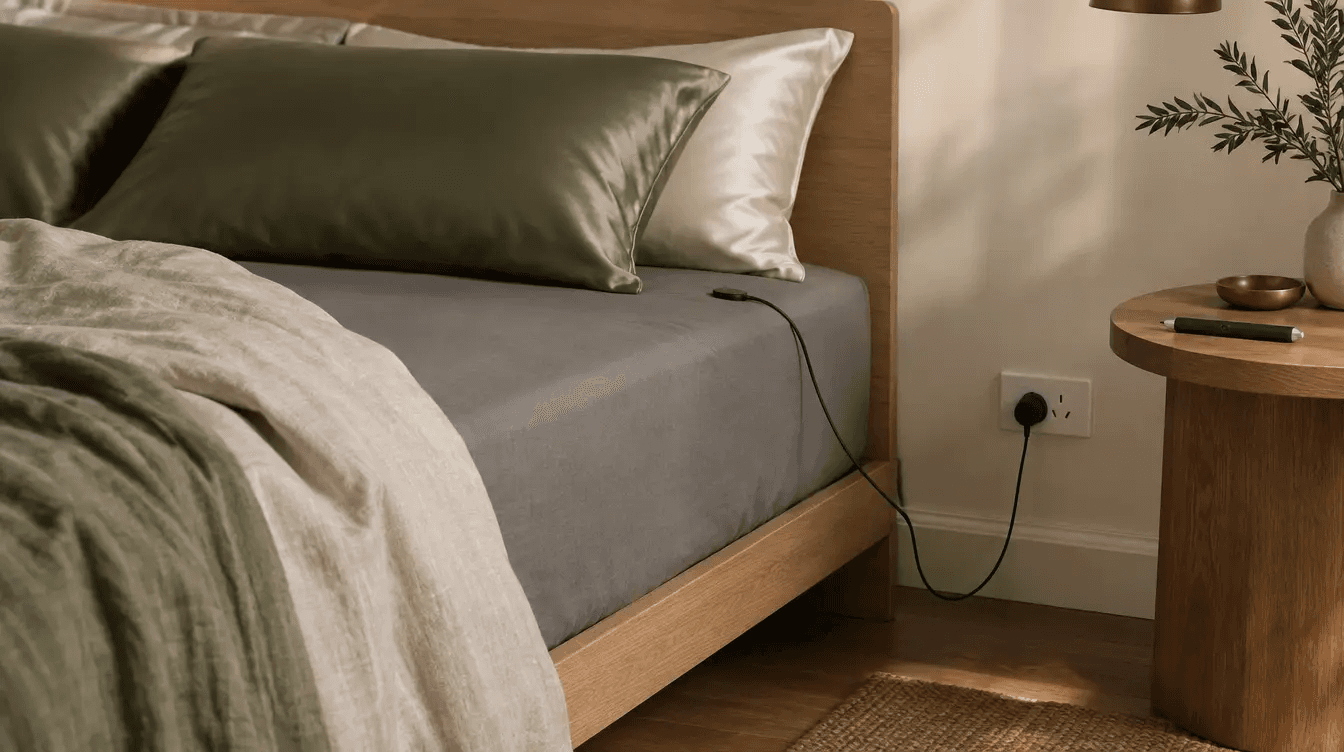
To choose a grounding sheet, check six things: what the base fabric is, which named standard it is certified to and what that covers, what makes it conductive, whether you can test it yourself, the trial and warranty terms, and whether it suits your home's socket and bed. Ask for certificate numbers, not adjectives.
I started Organic Earthing before I had ever heard of grounding. I had become conscious of what I put against my skin, so I was choosing natural fabrics for clothing and bedding wherever I could. Then I found grounding, went down the rabbit hole, and went looking for a sheet that matched the standards I already held. I could not find one. The products I saw were clinical, generic or led with price.
This guide is the checklist I wish I had been handed. It is written for a sceptic, and that includes being sceptical of us. If you want the longer reference version, see our guide on how to choose an organic grounding sheet. Everything below regards grounding bedding as a wellness product, not a medical device. I describe only what people report, and I make no claims about what grounding does to the body.
Key Takeaways
- Judge the sheet first on what you are sleeping on: the base fabric, what it is made from and what it has been tested for.
- Ask "certified to what standard, and what does it cover?" Real certificates have numbers you can quote and check.
- A grounding sheet needs a conductive material. Ask what it is, how much there is, and whether it is woven in or coated on.
- A good brand lets you test conductivity yourself rather than asking you to take its word.
- Read the returns policy itself. Trial length, warranty length and who pays return postage all matter on a $419 online purchase.
- Check your socket, your mattress size and your living situation before you order.
Summary Table
| Question | What to ask for | Good sign | Warning sign |
|---|---|---|---|
| 1. What is it made from? | Fibre content and base fabric | Plain description of every material and its job | Vague words like "premium blend" |
| 2. Certified to what? | Standard name, certificate number, scope | Numbers you can check with the issuing body | A badge with no number |
| 3. What makes it conductive? | Conductive material, proportion, how it is built in | Woven-in conductive thread with stated content | No stated material or percentage |
| 4. Can I test it? | A way to check conductivity at home | Tester included in the box | "Trust us, it works" |
| 5. Trial and warranty? | The full returns policy, in writing | Long trial, clear warranty, clear costs | Pushy pricing tactics, hidden conditions |
| 6. Will it suit my home? | Socket, size and safety guidance | Clear setup and sizing information | No mention of wiring or fit |
1. What is the sheet actually made from?
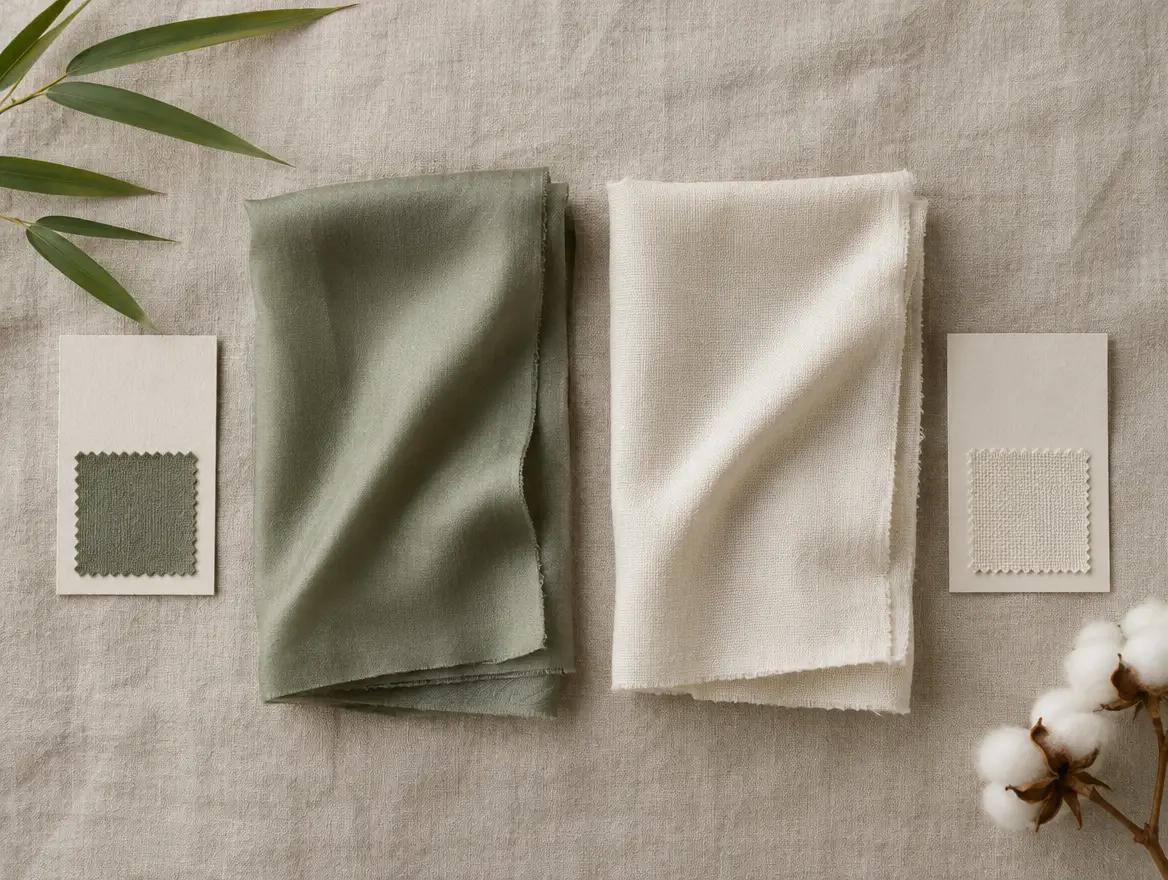
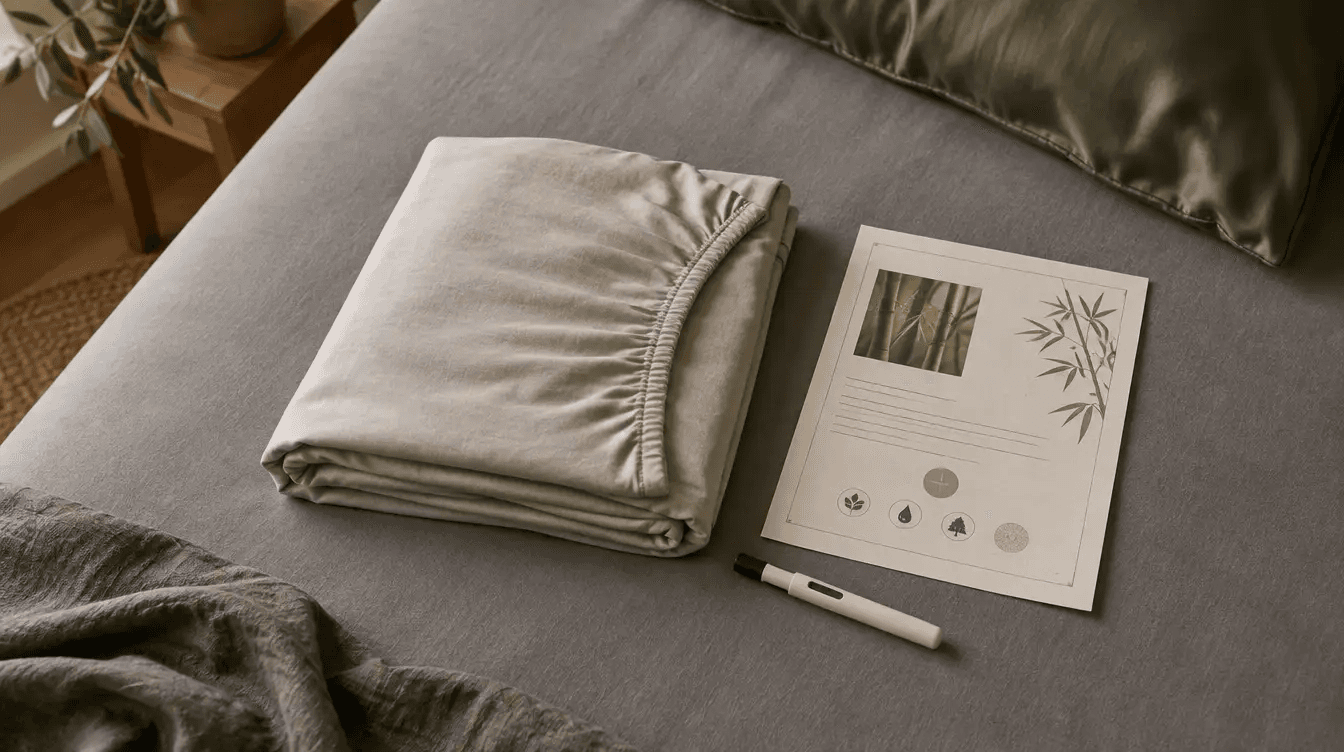
The base fabric is the first thing to check because it is what touches your skin every night. Most grounding sheets use cotton. Ours uses organic bamboo woven with silver thread. Whichever fabric you choose, the brand should tell you plainly what the sheet is made of and why each material is there.
Grounding conversations usually skip this. People argue about whether grounding works, and almost nobody asks about the textile you are lying on for eight hours. I think that is backwards. Fabric is the part of the product you can actually evaluate before you buy: you can read the composition, ask about testing and judge how it feels once it is on your bed.
Bamboo versus cotton
Cotton is a familiar, well-loved fabric, and a good cotton sheet is a perfectly reasonable base. I chose bamboo because of how it behaves in bed. It is soft, it breathes, and it handles moisture well. Those qualities matter most to hot sleepers, which is why the 50+ reader who wakes warm tends to care about fabric feel more than any other detail.
Bamboo on its own is not conductive enough to ground a body. That is the part that surprises people. The bamboo is there for comfort and the silver is there to conduct. Neither material is in the sheet because it sounds good in marketing.
How to be sceptical about any fabric claim
Words like "natural" and "organic" on a product page deserve questions. Here are the ones I would ask, of us as much as anyone:
- What is the fibre content, in plain terms, and does the care label match the product page?
- Is the claim about the raw fibre, the finished fabric, or the whole sheet?
- Is any independent testing attached to the textile itself, or only to the factory?
On our product pages, "organic bamboo" describes the fabric. I attach the word certified to a named standard and a number, and to nothing else. That is the next question.
2. Certified to what standard, and what does it cover?
Ask any brand for the standard's name, the certificate number and the scope. A real certificate answers all three. Ours are OEKO-TEX Standard 100 (certificate SH025 231655) and RoHS compliance (certificate CHHB26080392392). The GOTS scope certificate (USB TEX-4007-GOTS-2509) applies to our silk range, not to the sheets.
Certification terminology is specific, and a badge can look impressive with very little behind it. That is why "certified" on its own means nothing. It has to attach to something you can look up.
What these certificates are, and are not
- OEKO-TEX Standard 100 tests textiles for harmful substances. Our manufacturing partner is certified at Product Class I, the strictest class, which is the class intended for baby and toddler articles. The certificate sits under our manufacturing partner's certification and covers all our products. OEKO-TEX runs a public Label Check tool on its website, so you can check a certificate yourself.
- RoHS is a restricted substances standard that originated in European electrical regulation and limits materials such as lead, mercury and cadmium. We had separate RoHS compliance testing done on the grounding bedding because the sheets contain conductive components.
- GOTS is a textile standard for organic fibres. Our certificate is a scope certificate for the mulberry silk range. A scope certificate shows an operation is certified to handle products under the standard. It is not a transaction certificate, which documents a specific shipment. Until transaction certificates arrive, I will not use the word certified next to the word organic.
None of these certificates says anything about whether grounding improves sleep. That is a separate question, and the small published studies have not settled it. I keep the two kinds of claim apart: what the fabric is made of and tested for is one thing, and what grounding does for sleep is another. We cover the certificates in more detail in our recent article on the OEKO-TEX and RoHS certificates.
3. What makes a grounding sheet conductive?
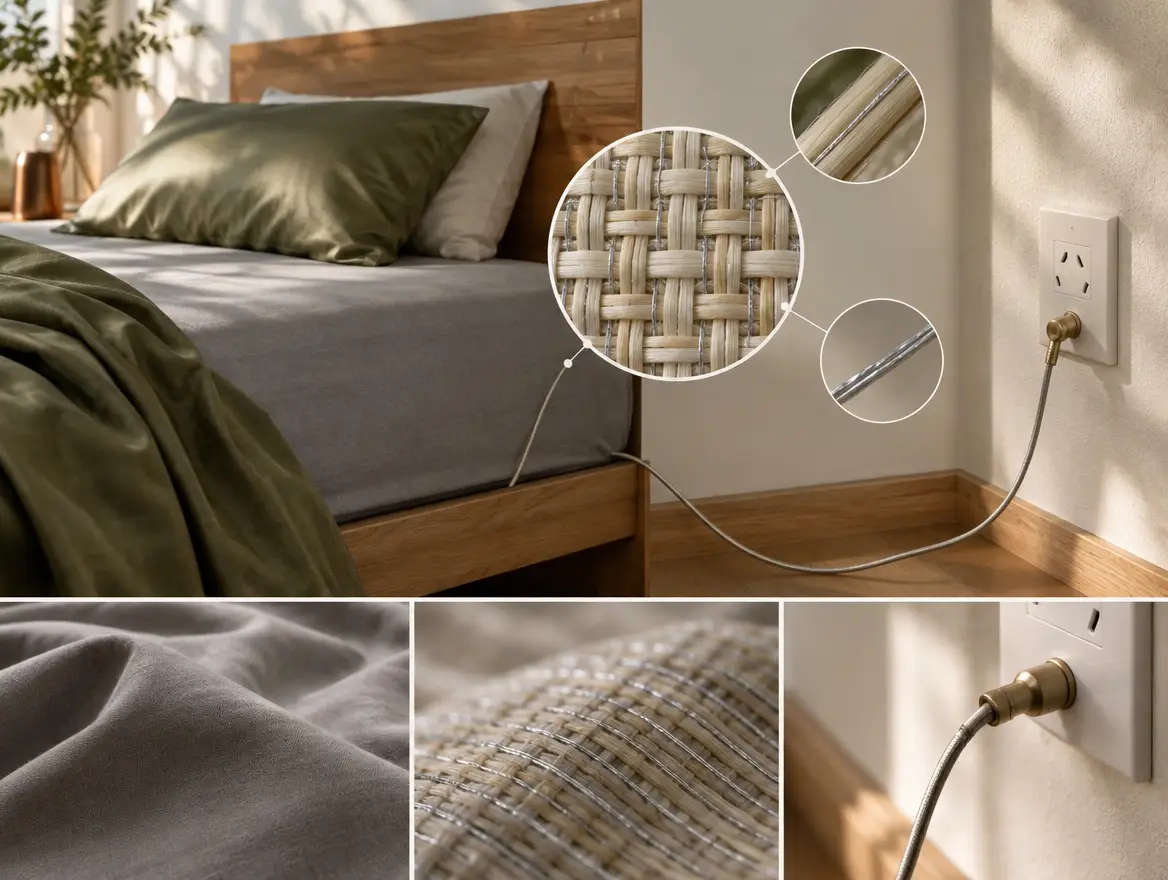
A grounding sheet is conductive because of a conductive material built into the fabric, usually silver. Ask what the material is, how much of the fabric it makes up, and whether it is woven through or coated on top. Our sheets have 10% silver thread woven through the bamboo.
The silver has a job to do. Fine silver fibres run through the bamboo and connect by a cord to the earth pin of a wall socket. No power flows through the sheet. Only the grounding connection is used.
Why percentage and construction both matter
I chose to weave the silver in rather than coat it on, so the conductive material is part of the fabric structure. Competitors we have seen state 5% or less silver content. That is our own comparison of published specifications, so check it yourself rather than taking my word for it.
A percentage on a spec sheet does not prove anything by itself, and I would say the same about ours. A stated number is a starting point for a question, and a test you can run yourself is the answer. We go further into this in our recent article on silver content.
When you ask a brand about conductivity, these four questions will tell you a lot:
- What conductive material is used?
- What proportion of the fabric is it?
- Is it woven in or applied as a finish?
- How does the sheet connect to ground?
If any of those get a vague answer, you have learned something.
4. Can you test it yourself?
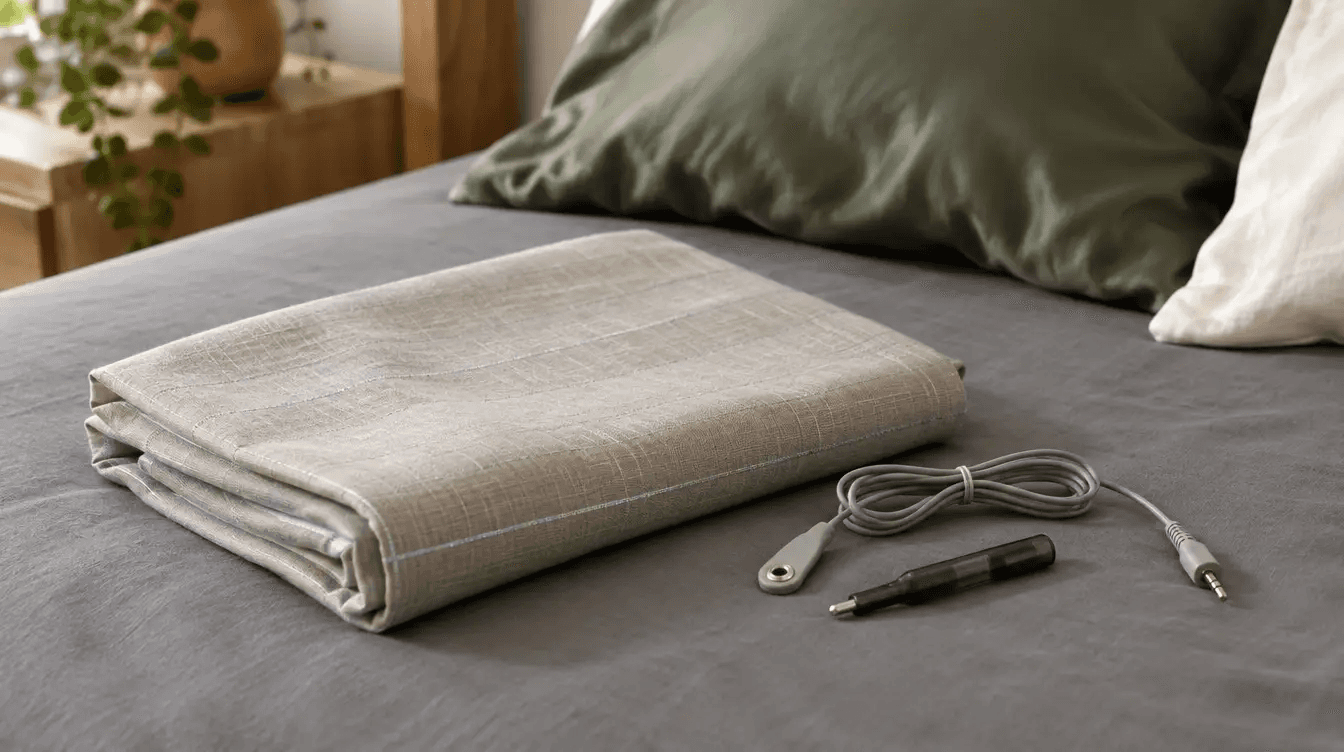
Yes, and any brand worth buying from should let you. Every Organic Earthing grounding box includes a tester pen, so you can check conductivity yourself when you first set the sheet up and again over time. It turns a claim into something you can check on your own bed.
This is the principle behind "test it before you believe it." A product description can say anything. A tester pen in your hand, plugged into your own setup, shows you what is happening in your own home.
How I would use the tester pen
- Check the sheet when you first set it up, before you decide how you feel about it.
- Check it again every so often over the months you own it.
- Take a changed result as a prompt to look at your socket, your cord and your connections, and contact us if the sheet itself looks like the cause.
I would not tell you to test after every wash, and I will not describe the pen as a durability guarantee. It is a way to check, not a promise about the future. If you want the step-by-step, we have a separate how-to on using the tester pen.
A brand that does not offer any way to verify conductivity is asking for a lot of trust at a high price point. That is a fair thing to push back on.
5. What are the trial and warranty terms?
Our terms are a 90-night trial from delivery and a one-year warranty on every grounding product. Returns need to be in reasonable condition, and return postage is on the customer. Whatever brand you consider, read the returns policy itself, not the summary on the product page.
A grounding sheet is a $419 decision made online, by people who cannot feel the fabric or know how they will sleep on it until it is on their own bed. I built the offer around that fact. The trial and the tester pen lead every product page, and the certificate numbers sit alongside them. Questions about returns come straight to me.
Why we hold our prices steady
Organic Earthing does not lead with price cuts or bundles. A product with certificate numbers behind it cannot also shout like a clearance warehouse. The offer is proof: the numbers, the pen, 90 nights to decide and a year of warranty. This sits at the premium, transparent end of grounding, and I would rather you judge us on what we can show you than on a price cut.
Why 90 nights
I never promise a timeline of results. Some people notice something in the first week, and many notice nothing until the third. Both are normal, and that is why the trial runs 90 nights, not a fortnight. Sleep on it for 90 nights, decide later.
What to read in any returns policy
- When does the trial clock start: order date or delivery date?
- What condition does the sheet need to be in for a return?
- Who pays return postage?
- What does the warranty cover, and for how long?
- Who do you actually contact?
Also know your baseline rights. Under the Australian Consumer Law, consumer guarantees apply regardless of any voluntary trial or warranty a business offers. The ACCC explains these on its website, linked in the references below.
6. Will it work in your home?
Check three things before you order: your wall socket, your mattress size and the safety basics. A grounding sheet connects to the earth pin of a wall socket, so the socket needs to be properly wired and earthed. If you are unsure about your wiring, ask a licensed electrician.
Socket and wiring
Australian sockets have an earth pin, and the grounding cord uses only that connection. Older houses and rentals are where I hear the most questions, because you may not know how a socket was wired or when it was last checked. We have written about this in our recent articles on rentals and older houses, and on whether the cord is safe to plug in. The short version: if you are not sure, do not guess. Get the socket checked by a licensed electrician, and use the tester pen to see what is happening on your bed.
Sizing and bed setup
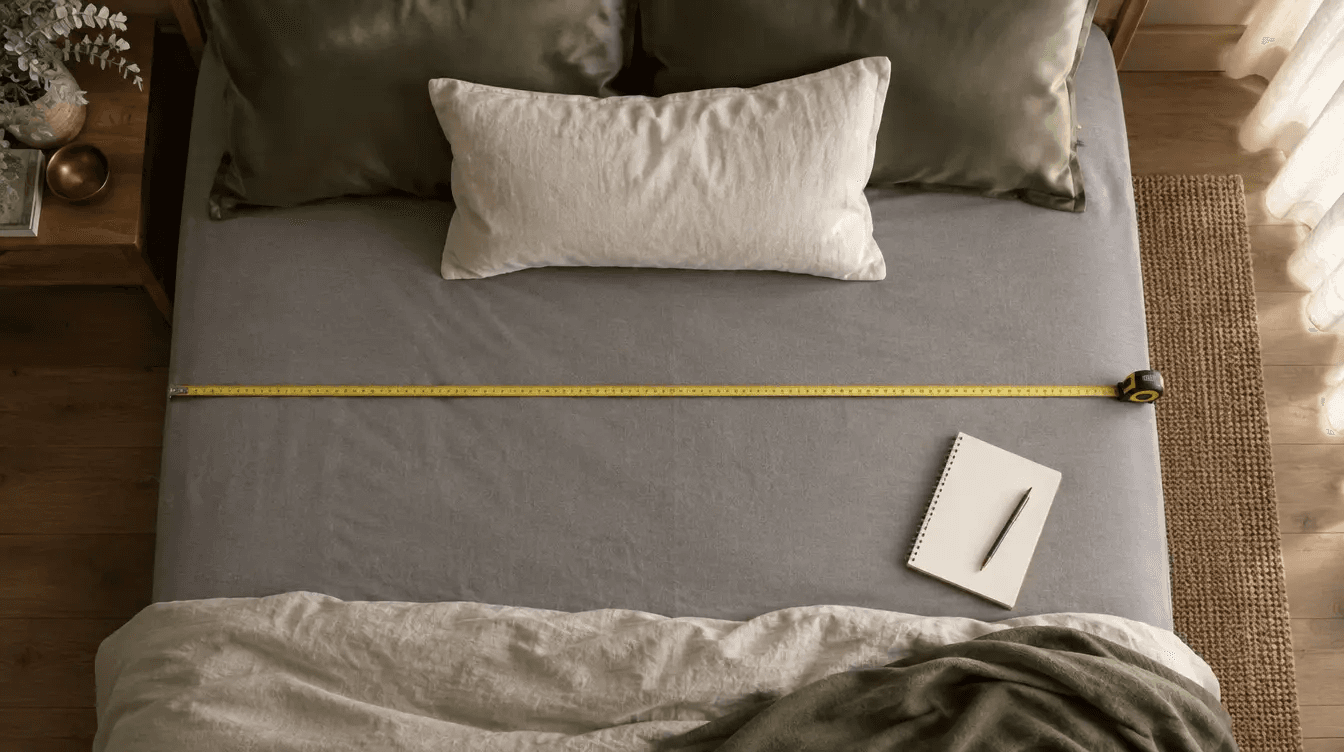
Measure your mattress width, length and depth before you choose a size, including any topper. A sheet that does not fit well will shift, and a shifting sheet is a poor experience for the 50+ hot sleeper and anyone else who is particular about feel. Check the sheet's stated dimensions against your mattress rather than assuming "queen" means the same thing across brands. Then think about where the cord will run from your bed to the socket, and whether it will be in the way of a bedside table, a pet or a bare foot at 3am.
Does your country or region matter?
Yes, because sockets and plugs differ between countries. We are an Australian-owned, family-run brand selling globally, so ask before you order what plug configuration the cord uses for your region, and make sure it suits your local socket and local electrical rules. Do not use an adaptor you are unsure about. If you are outside Australia, the same rule applies: confirm the cord connects to a properly earthed socket where you live.
The printable six-question checklist
Copy this, print it or screenshot it, and run any grounding brand through it, including us.
- 1. What is it made from? Base fabric, fibre content, what each material is for.
- 2. Certified to what, and what does it cover? Standard name, certificate number, scope, and whether the number can be checked.
- 3. What makes it conductive? Which material, what proportion, woven or coated, how it connects to ground.
- 4. Can I test it myself? A tester in the box, and a way to check at setup and over time.
- 5. What are the trial and warranty terms? Trial length and start date, warranty length, return condition, who pays postage.
- 6. Will it work in my home? Socket and wiring, mattress size, cord route, plug type for my region.
Why I want you to question us too
Most buying guides in this category start with "does grounding work?" I start somewhere else. Imagine two sheets that make the same promises. One has a vague page of adjectives. The other has certificate numbers, a stated silver content and a tester in the box. Whether or not you believe in grounding, only one of them lets you check anything. That is the sheet I would trust with eight hours a night.
When I started, I wanted to know what was in the products I was selling and to have independent testing behind them, particularly for harmful and restricted substances, at a time when the category only talked about whether grounding worked. I chose OEKO-TEX Standard 100 and separate RoHS testing on the grounding bedding, and I accepted a higher cost and a more complicated supply chain to do it. The result is that we can publish certificate numbers instead of adjectives.
I don't want customers to trust us because we've written "premium" on a website. I want there to be something behind it. I would rather a customer question the brand than believe a badge. If every shopper asked "certified to what standard, and what does it cover?" the whole category would improve.
So here is the invitation. Run our sheet through the same six questions. The certificate numbers, tester pen, 90-night trial and warranty are all shown up front on the certified fitted grounding sheets page. If an answer is missing or unclear, tell me.
References
- OEKO-TEX, STANDARD 100 by OEKO-TEX
- OEKO-TEX, Label Check certificate verification
- Global Organic Textile Standard, Official GOTS website
- European Union, Directive 2011/65/EU on the restriction of hazardous substances (RoHS)
- ACCC, Consumer rights and guarantees
Take this with you
Your first 30 nights, in your inbox.
What people usually notice in the first month on a grounding sheet, week by week, and why you get 90 days rather than 14.
Questions people ask
What should I look for when choosing a grounding sheet?
Look for a clearly described base fabric, certificate numbers tied to named standards, a stated conductive material and proportion, a way to test conductivity yourself, and written trial and warranty terms. Then check the socket, sizing and safety guidance for your home.
Is bamboo or cotton better for a grounding sheet?
Both work as a base fabric, and neither conducts well alone, so the conductive thread does that job. Organic Earthing chose bamboo for softness, breathability and moisture handling, which suits hot sleepers. Whatever you pick, ask for the fibre content and what the fabric has been tested for.
Do grounding sheets need a certification?
There is no single mandatory badge, so the useful question is what a certificate covers. OEKO-TEX Standard 100 relates to harmful substances in textiles, and RoHS relates to restricted substances. Neither tells you what grounding does for sleep. Ask for the certificate number and check it.
How do I know if a grounding sheet is conductive?
Ask what conductive material is used, how much of the fabric it makes up and how it connects to ground. Then check for yourself. Every Organic Earthing box includes a tester pen so you can check conductivity at setup and again over time.
What happens if a grounding sheet does not suit me?
Check the returns policy before buying. Organic Earthing offers a 90-night trial from delivery and a one-year warranty. Returns need to be in reasonable condition, and return postage is on the customer. Australian Consumer Law guarantees also apply separately.