Grounding · 11 May 2026 · 2 min read
Grounding Sheets vs. Barefoot Walking: Which Works Better?
Comparing grounding sheets to walking barefoot? Learn how each method works, their benefits, and which is most practical for everyday earthing.
By Jade Castle, founder. Wellness product, not a medical device.
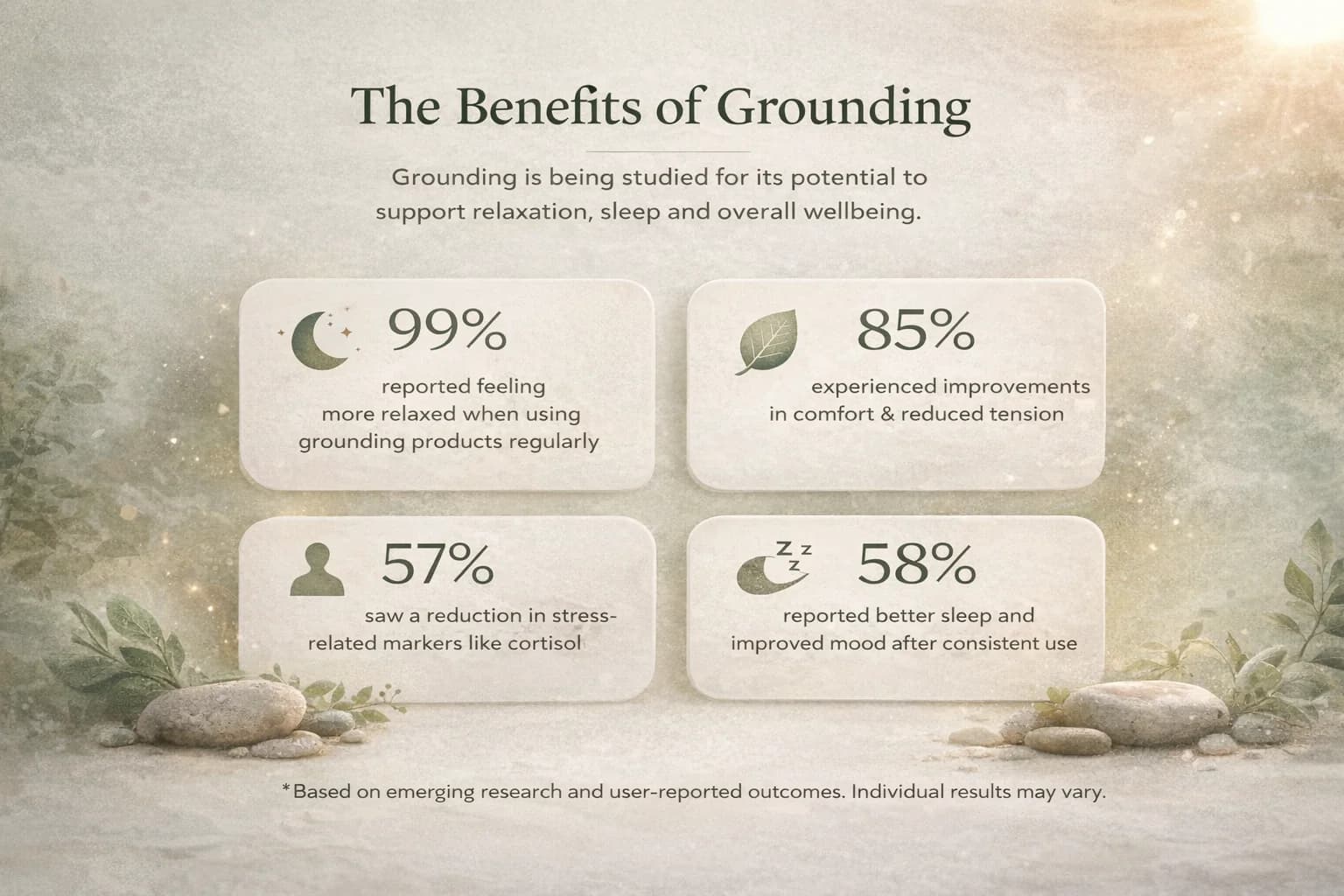
When people first learn about earthing, the most common question is: "Can't I just go barefoot outside?" The answer is yes and you absolutely should. But grounding sheets offer something barefoot walking simply can't: hours of continuous earthing while you sleep. Here's how the two methods compare.
How Barefoot Grounding Works
Walking barefoot on natural surfaces: grass, soil, sand, or rock - is the original form of earthing. When your bare skin touches the Earth, electrons flow freely from the ground into your body. Even 20-30 minutes of barefoot contact has been reported in small studies to lower inflammation markers and improve mood.
Best for: A quick daily reset, stress relief, mindfulness, and light inflammation reduction.
Limitations: Weather-dependent, time-limited, not always practical (especially in cities or during winter), and impossible to do while sleeping.
Take this with you
Your first 30 nights, in your inbox.
What people usually notice in the first month on a grounding sheet, week by week, and why you get 90 days rather than 14.
How Grounding Sheets Work
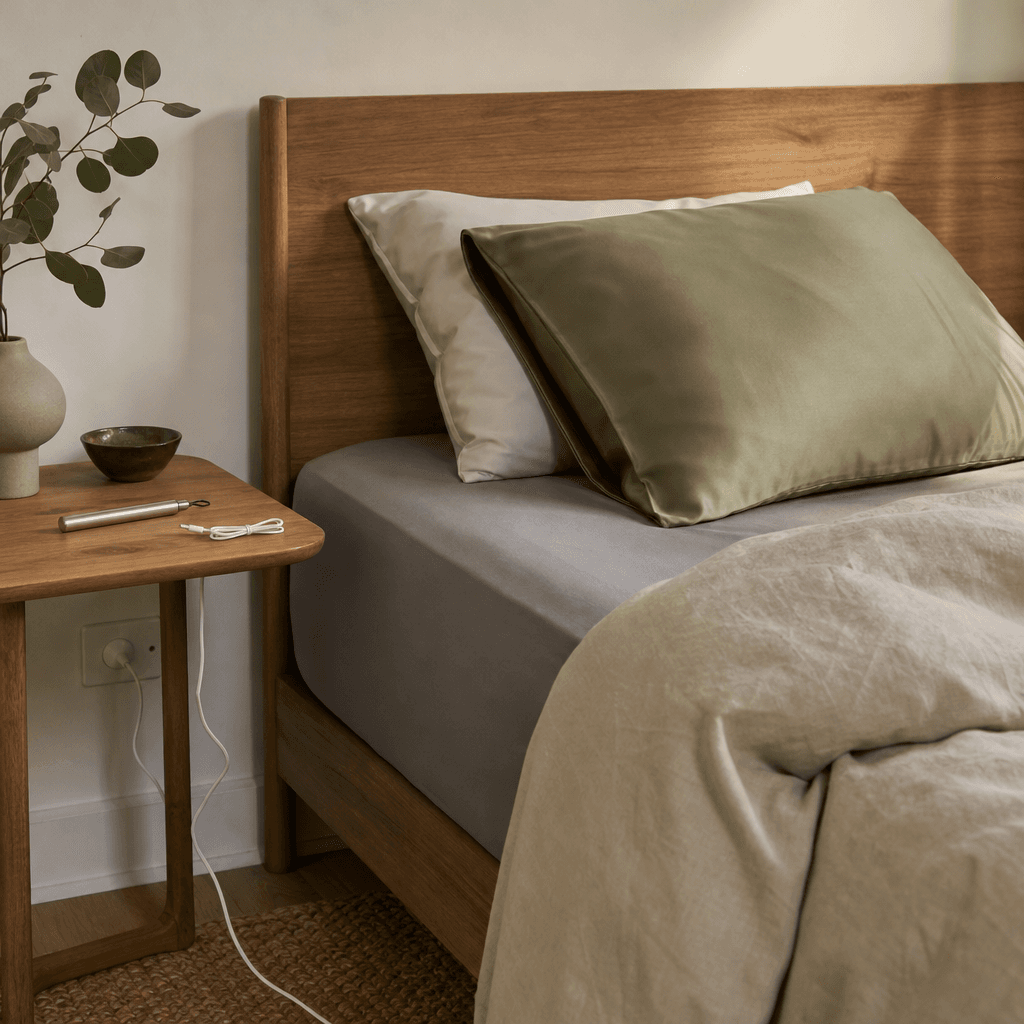
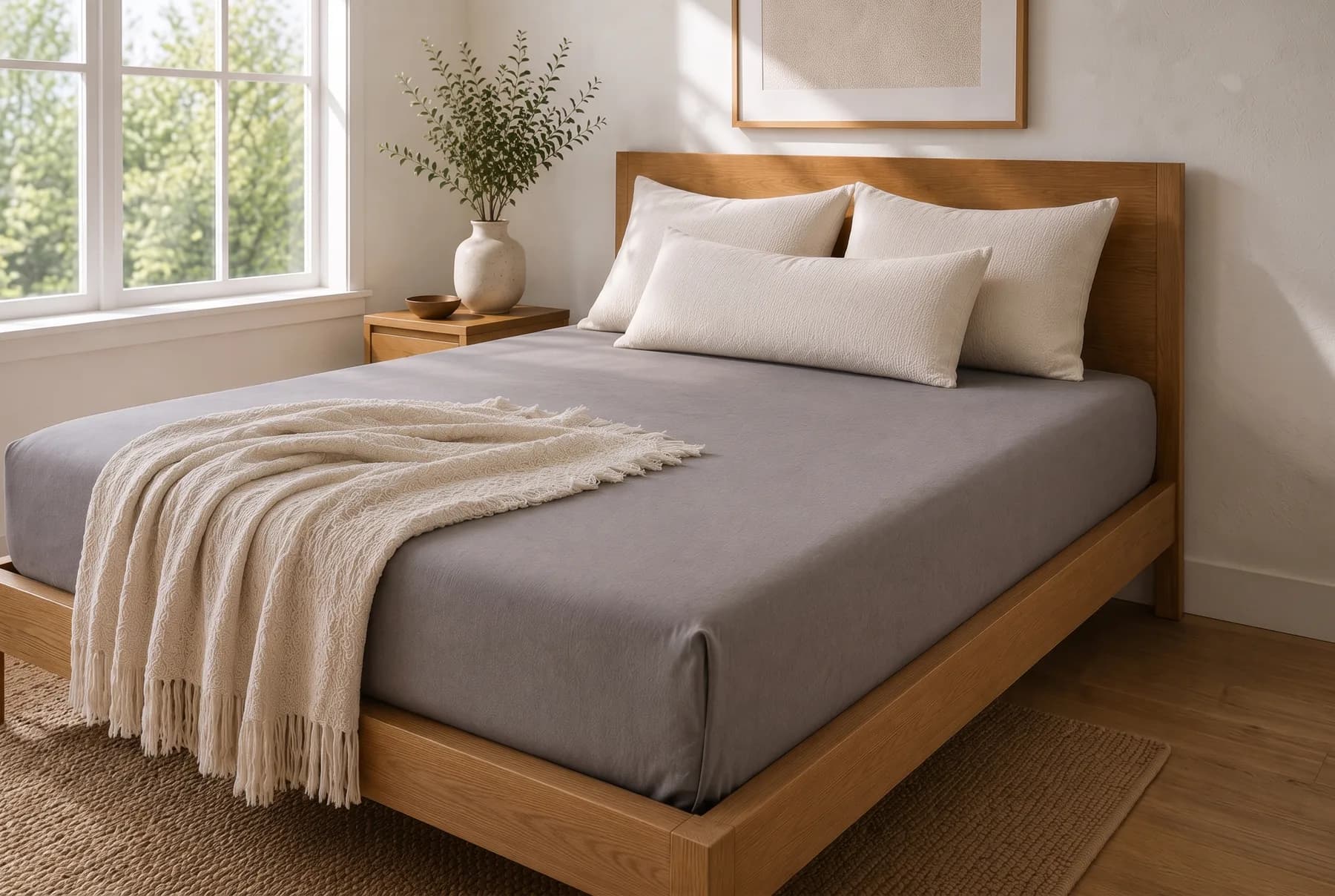
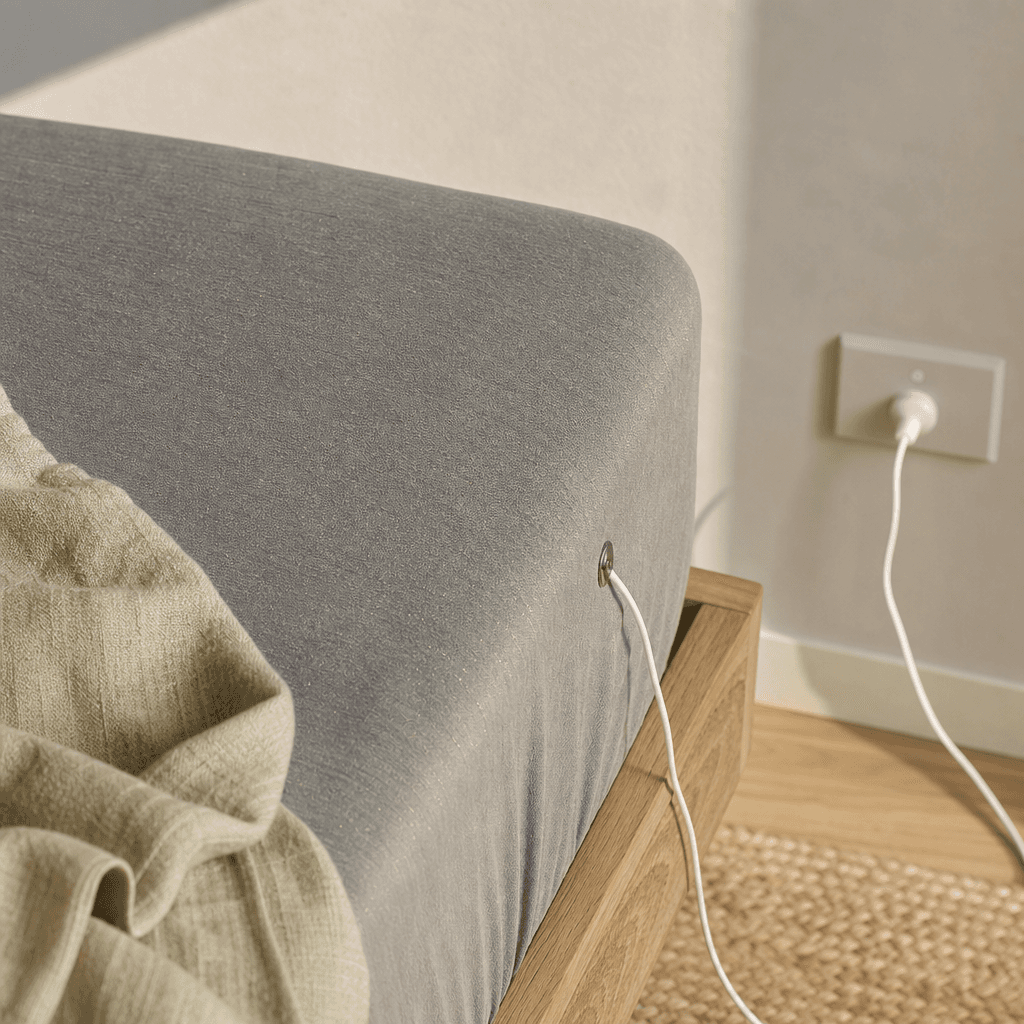
A grounding sheet is made with conductive fibres (typically silver-threaded into organic cotton) that connect via a cord to the earth port of a standard power outlet. The earth port is connected directly to the ground outside your home - so when you sleep on the sheet, you're electrically connected to the Earth all night long.
Best for: Continuous overnight grounding (7-8 hours), sleep improvement, cortisol regulation, and deep recovery.
Limitations: Requires a grounded power outlet; initial setup takes a few minutes.
Which Is More Effective?
Both methods work - they deliver the same fundamental benefit (electron transfer from the Earth to your body). The key difference is duration.
Research suggests that longer, more consistent grounding produces more significant results. A 20-minute barefoot walk is beneficial, but 8 hours of grounding while you sleep is transformative. Think of it like sunlight: a few minutes is nice, but consistent daily exposure is what actually changes your health.
The ideal approach? Both. Use a grounding sheet overnight for deep, consistent earthing, and get outside barefoot when you can for the added benefits of fresh air, movement, and nature.
What About Grounding Wristbands?
For daytime grounding indoors, especially if you work at a desk, a grounding wristband bridges the gap between barefoot walks and overnight sheets. It keeps you connected to the Earth's charge throughout your workday.
Start Grounding Tonight
If you're ready to experience the benefits of consistent, long-duration earthing, our Organic Grounding Sleep Bundle is the perfect starting point. It includes our organic, OEKO-TEX certified grounding sheet and everything you need to get connected tonight - no barefoot walk required (though we still recommend those too).